An olive tree from the Roman Empire still produces fruit in Spain
Headline and summary by local AI
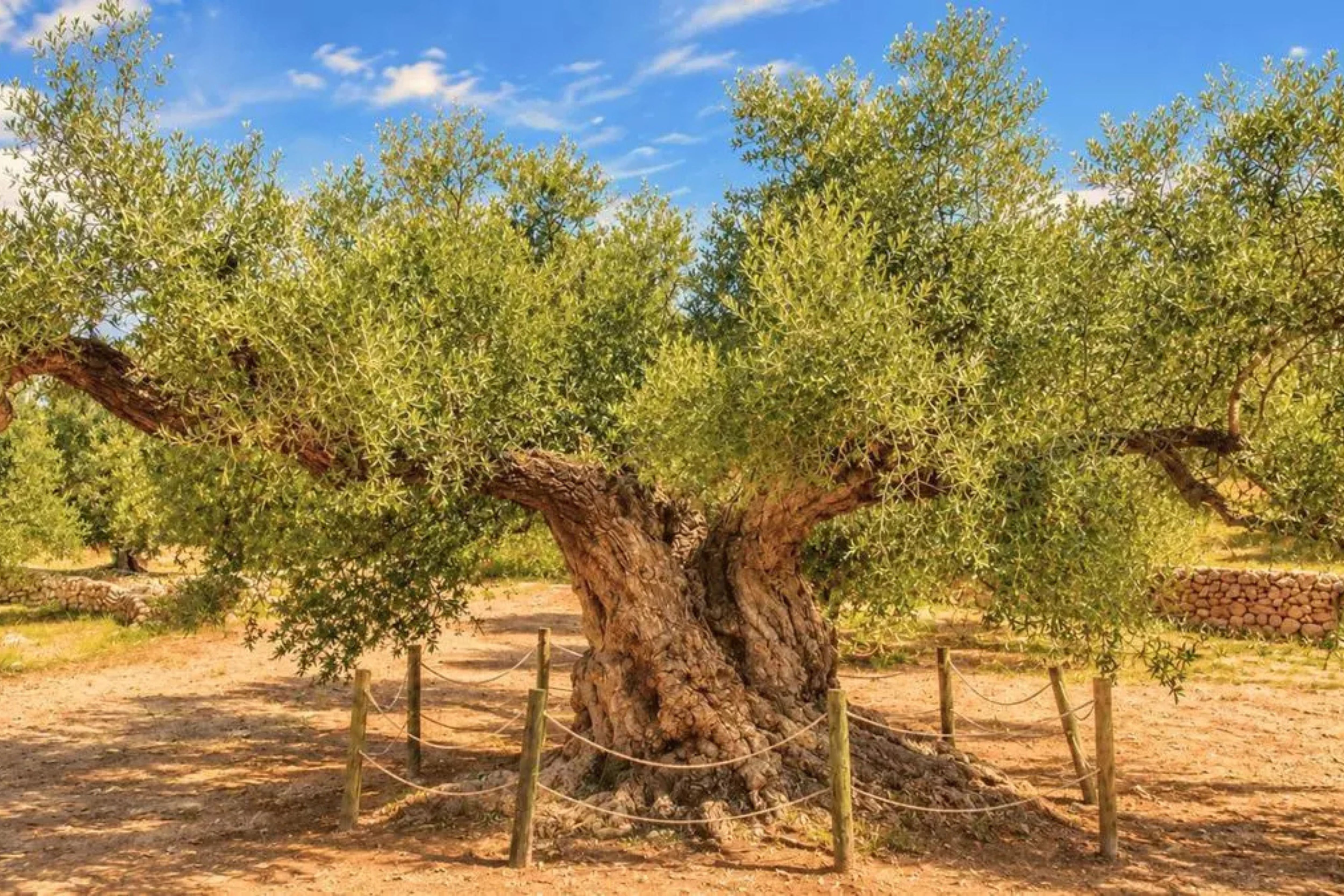
A thousand-year-old olive tree in Ulldecona, Spain, continues to produce olives more than 1,700 years after it first began to grow.
The tree started its life in the year 314 during the reign of Emperor Constantino I of the Roman Empire. It survived the collapse of the Western Roman Empire, the Middle Ages, and the modernization of Europe while remaining in the same location.
The tree now resides at the Museo Natural de los Olivos Milenarios del Arión on a farm owned by the Porta i Ferré family. Its massive structure includes a trunk with a perimeter of 8.03 meters and a pyramidal base measuring approximately 18 meters in diameter.
The Generalitat de Catalunya designated the tree as an Árbol Monumental in 1997 to protect its cultural importance, and the Asociación Española de Municipios del Olivo awarded it first prize for the best monumental olive tree in Spain in 2006. The local government of Ulldecona and the museum offer guided tours to help preserve the site and support the local economy. The region contains more than 1,300 millennial olive trees, with about 150 of those trees producing Aceite Farga Milenaria.
This oil uses the traditional Farga variety, which has adapted to the Mediterranean climate over centuries. Visitors can join cultural packages that include the tree and other local landmarks like a medieval castle for around 10 euros.
Selected and summarized by local AI How we work