Weaving legacy: six generations of Māori artists displayed
Summary and headline written by AI from the source article. How we work
The Hetet and Te Kanawa whānau, a Māori family from New Zealand, are celebrated in a new exhibition at Te Whare Taonga o Waikato Museum and Gallery in Hamilton.
For over 180 years, six generations of this family have practiced raranga, traditional Māori weaving, and shared their skills with the world.
The exhibition, titled Rīpoi Anamata, Rīpoi Inamata, features more than 25 kākahu (woven cloaks) created across the generations, including pieces made from dingo fur by a family member in Australia and a cloak gifted to opera singer Kiri Te Kanawa. Ata Te Kanawa, a daughter of weaver Diggeress Te Kanawa, explained the whānau grew up surrounded by flax and the tools of weaving. Museums were also a familiar setting, as her mother and grandmother frequently exhibited their work.
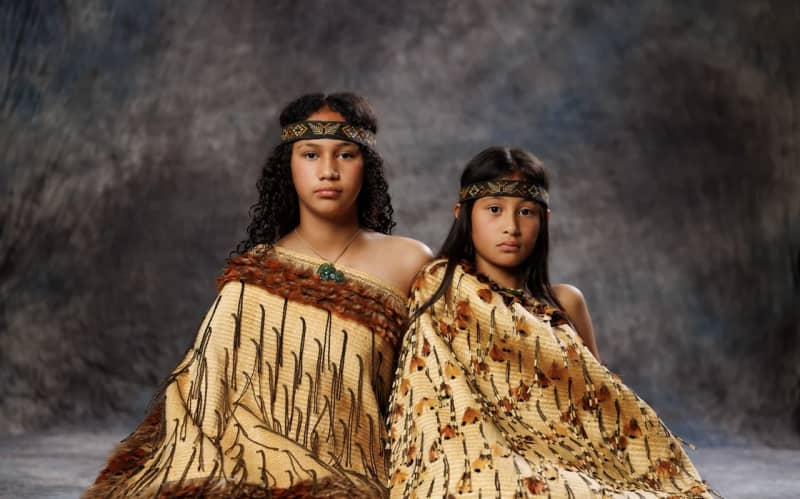
The exhibition connects portraits of family members with the kākahu they created, highlighting the continuity of skill and cultural practice. One featured portrait shows contemporary mokopuna (grandchildren) wearing korowai (cloaks) woven by their kuia (grandmother) Dame Rangimārie Hetet. The whānau intentionally posed the young people to project strength and self-possession, moving away from traditional depictions of delicacy. Alongside this exhibition, the museum will also display Hautāmiro: Bound by the Winds, an installation by the Mataaho Collective.
The exhibitions will be on display from October 16, 2026, to March 7, 2027, with free entry.