A new museum in Mexico explores the legacy of Spanish Friar Diego de Landa
Headline and summary by local AI
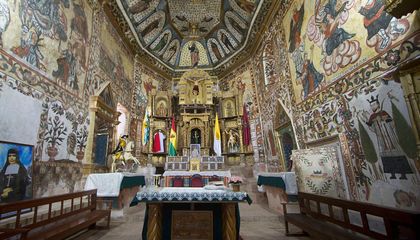
The Archdiocese of Yucatán and a local parish opened a museum in a former convent in Maní to examine the life of Diego de Landa.
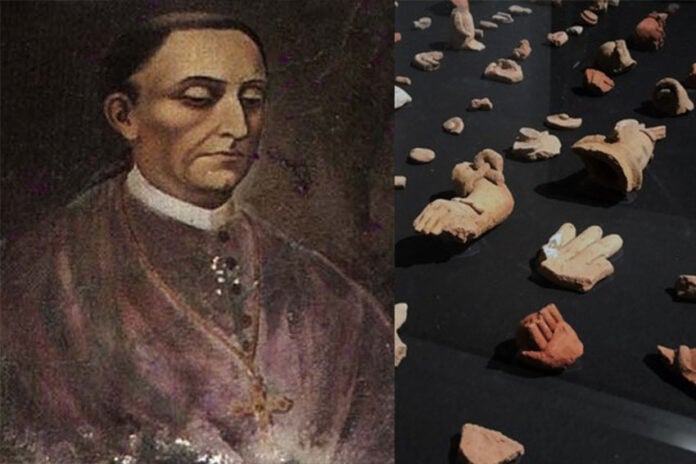
The museum, located about 100 kilometers south of Mérida, explores the history of the Spanish friar who served as a regional leader for the Franciscan order and later became the second bishop of Yucatán. The exhibition traces Landa's journey from his birth in Spain in 1524 to his death in Mérida in 1579.
It focuses on his complex role in history, specifically his 1562 religious proceeding in Maní where he ordered the burning of Maya manuscripts, codices, and sacred objects. While historians note that Landa is criticized for this campaign against Maya religious practices, the museum also acknowledges his role in recording a detailed account of Maya life and religion in his work, Relación de las cosas de Yucatán. Historian John F.
Chuchiak IV of Missouri State University curated the exhibition, which includes nine display panels, a painting, and a 25-minute video. The museum presents a multifaceted view of Landa, noting that while he oversaw the destruction of cultural artifacts, some documents indicate he also opposed forced labor and other abuses of Maya communities. Visitors can access translations of the exhibit in Mayan, English, and German via QR codes.
Selected and summarized by local AI How we work