Bolivia restores ancient church murals featuring Andean imagery
Headline and summary by local AI
Indigenous Aymara workers and conservators completed a major renovation of the Santiago de Curahuara de Carangas church in Bolivia.
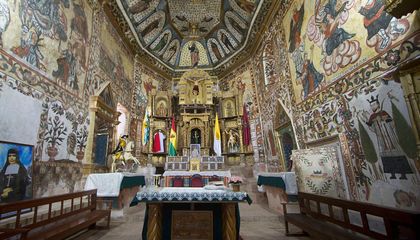
The church, which sits nearly 13,000 feet above sea level on the Altiplano plateau, is known as the Sistine Chapel of the Andes because of its elaborate interior murals. The murals represent a unique historical collaboration between Spanish colonizers and native communities from the late 16th to the 17th centuries.
These paintings depict biblical stories blended with local symbols, such as magi riding llamas and guinea pigs appearing at the Last Supper. The artwork reflects various artistic styles, including Mannerism and 18th-century Baroque. The renovation project cost $66,000 and received funding from the U.S. Department of State’s Ambassadors Fund for Cultural Preservation. Workers focused on repairing a thatched roof covering roughly 8,600 square feet to protect the interior from highland weather.
They also secured the exterior walls and restored the church's buttress. The church will reopen for a special mass on December 15. Local officials say the preservation of the site helps foster national pride and social cohesion by connecting the community to its history.
Selected and summarized by local AI How we work