Ethiopia plants trees to reverse decades of deforestation
Summary and headline written by AI from the source article. How we work
Ethiopia is working to plant 50 billion trees by 2030 after losing hundreds of thousands of hectares of forest cover in recent decades.
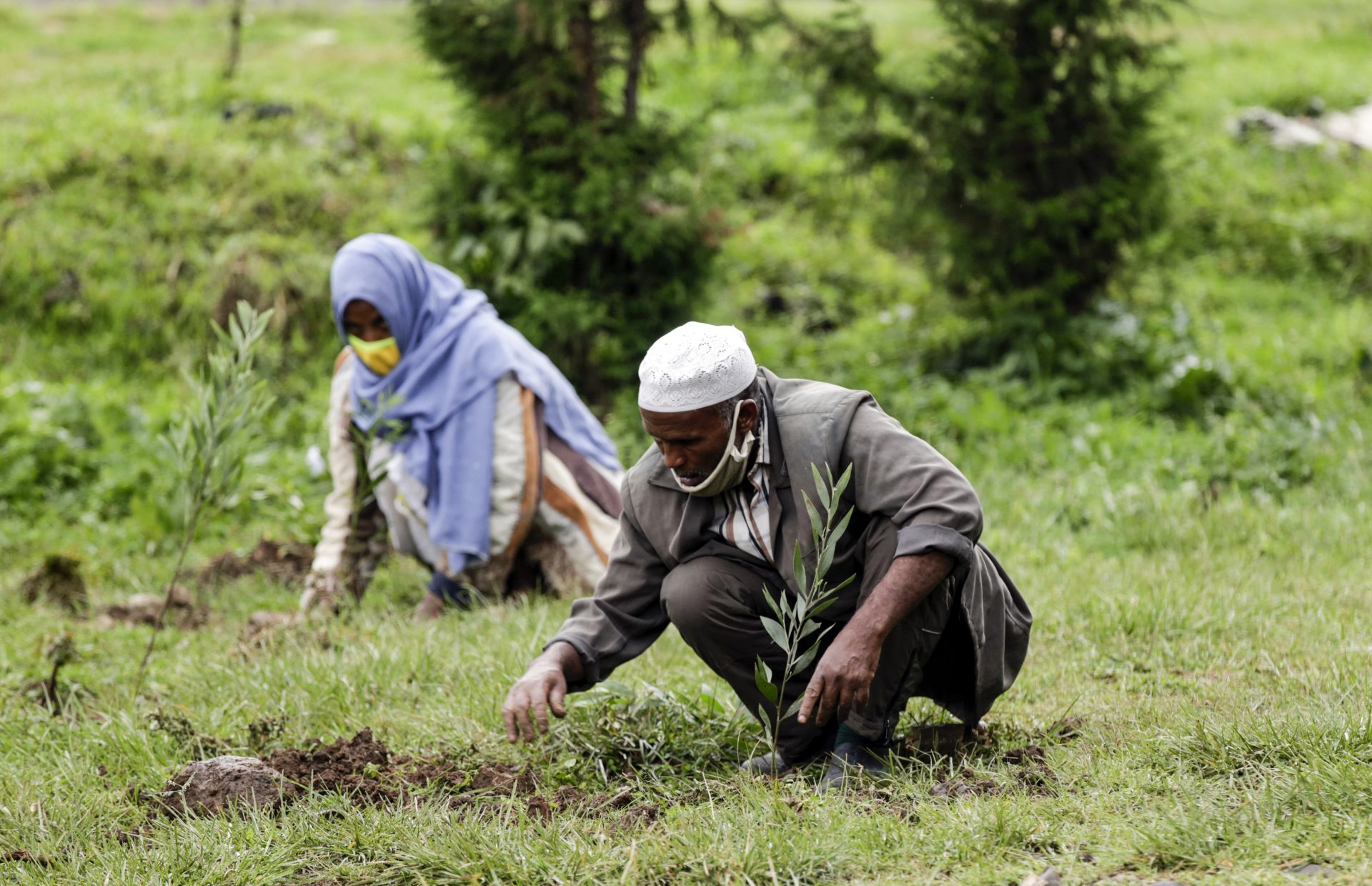
The country experienced significant deforestation due to agricultural expansion, increased mining activity, and growing demand for charcoal. Starting around 2019, the Ethiopian government launched the Green Legacy Initiative to reverse this trend, engaging local communities in planting trees and establishing a movement for environmentalism.
The initiative has shown early success, with the annual rate of deforestation decreasing from an average of 92,000 hectares between 2000 and 2013 to 27,703 hectares in 2023. Forest cover increased from 15.5 percent to 23.6 percent during the same period. Since the Green Legacy Initiative began seven years ago, 46 billion trees have been planted across the country. Despite these gains, challenges remain.
Ethiopia is highly vulnerable to climate change, which threatens the survival of newly planted trees due to water scarcity and degraded soils. Researchers are gathering data to improve long-term reforestation strategies, estimating a successful growth rate of around 85 percent. In November 2027, Addis Ababa, Ethiopia’s capital, will host the 32nd United Nations Climate Change Conference, recognizing the country’s commitment to fighting climate change.