ArtGenetics project uses old paintings to track plant evolution
Headline and summary by local AI
Ive De Smet and David Vergauwen launched a research project to study the historical evolution of crops by analyzing depictions in classical paintings.
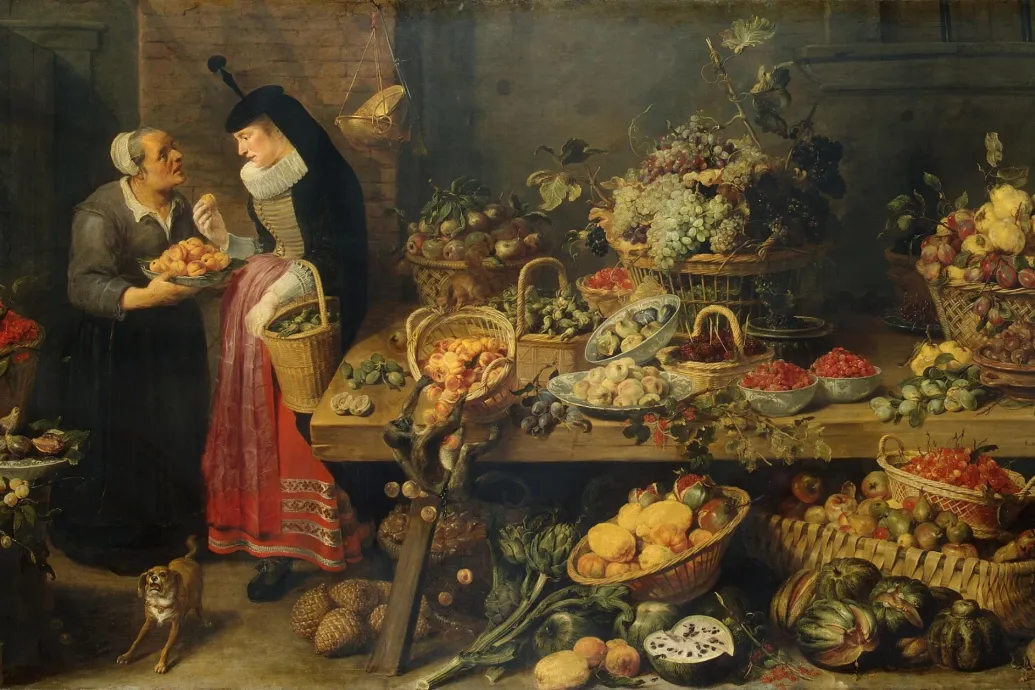
The project, called ArtGenetics, began when the two researchers noticed a watermelon in a 17th-century painting by Frans Snyders at the Hermitage Museum in Saint Petersburg. They observed that the fruit had a pale interior instead of the red flesh found in modern watermelons.
While De Smet initially thought the artist made a mistake, Vergauwen noted that Snyders was known for his meticulous attention to nature. The researchers subsequently identified several other historical paintings featuring fruits and vegetables that differ from modern varieties. They published a study in 2019 comparing these artistic records with genetic data to reconstruct the history of these plants.
For example, their work on carrots suggests that orange varieties may have appeared in Antwerp earlier than the popular legend of Dutch gardeners breeding them to honor the House of Orange. The team also investigated the history of currants, noting that medieval and Renaissance paintings often show tiny berries. These small fruits served as religious symbols of humility and the Virgin Mary before the development of modern large-growing garden varieties.
De Smet and Vergauwen travel to museums to find these botanical details, combining genetic expertise with art history to determine when specific plant traits emerged. They invite the public to contribute photos of unusual produce found in old artworks to their database.
Selected and summarized by local AI How we work