Ancient Silk Road women used local and imported ingredients for cosmetics
Headline and summary by local AI
Researchers identified traces of ancient cosmetics in two female burials from the Jetyasar culture in Kazakhstan, dating back to between the 2nd and 4th centuries AD.
The study, published in npj Heritage Science, analyzed white fragments found in the Tompakasar and Altyn-Asar burial sites. These objects were previously thought to be simple chalk, but chemical analysis revealed they were likely a powdered base made from biological chalk and various plant substances.
The Jetyasar people lived in the lower reaches of the Sir Daria River near the eastern Aral Sea. They practiced irrigation agriculture, fishing, and livestock herding. The researchers used gas chromatography and mass spectrometry to identify over 300 compounds within the fragments. These included substances compatible with cinnamon essential oil, wormwood, and certain types of mint.
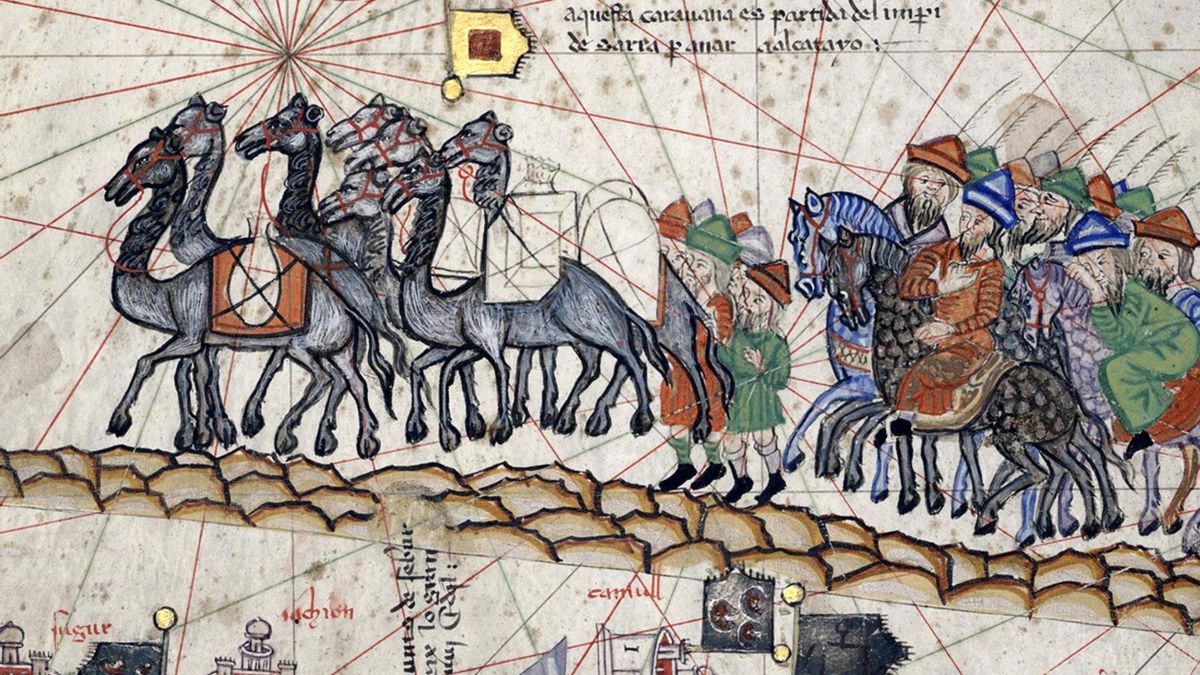
While wormwood and chalk are native to the region, cinnamon likely arrived via the Silk Road, a trade network connecting East Asia to the Mediterranean. The analysis suggests these women held a relatively high social status, as they were older than the average female age in their necropolis and were buried with personal items like bronze mirrors and coral beads. The specific cosmetic recipe found in Kazakhstan differs from those used in China or the Mediterranean.
For example, the researchers found no traces of the mica, pearls, or metals like lead and tin that characterized cosmetics in those other regions.
Selected and summarized by local AI How we work
More in Discovery

Argentina protects the only living crystal tree in South America
noticiasambientales.com · 16 Nov 2026

Polish students study Lithuanian as an exotic language at university of Warsaw
lrt.lt · 15 Nov 2026

Art collector Jordi Clos publishes novel about ancient Egyptian noble
lavanguardia.com · 17 Nov 2026