Turkish authorities uncover 420 meters of ancient tunnels under hagia Sophia
Headline and summary by local AI
Turkish authorities are uncovering a hidden underground world beneath the Hagia Sophia in Istanbul as part of a major restoration project.
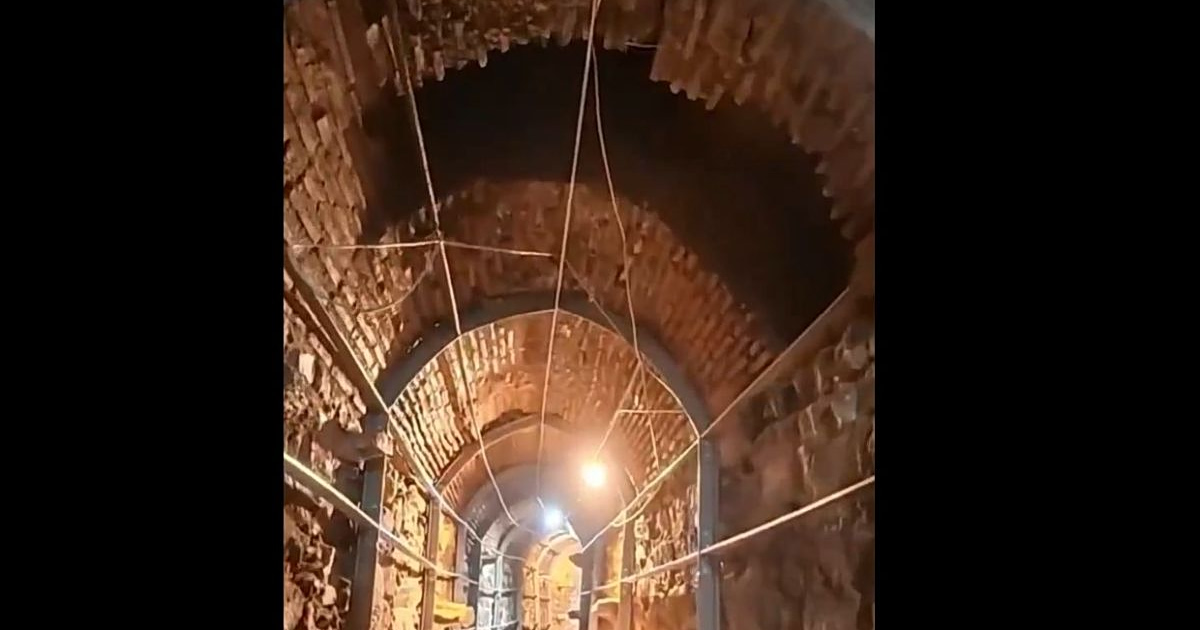
Workers have cleared 420 meters of underground tunnels and identified six underground spaces and nine tunnels in the area. The project involves removing nearly 3,000 tons of fill material from the Vezir Bahçe and Batı Bahçe sections of the monument. Mehmet Nuri Ersoy, the Turkish Minister of Culture and Tourism, visited the sites to inspect the progress.
Researchers found architectural remains and water networks that may predate the current structure, which Emperor Justinian built between 532 and 537. Specifically, excavations reached 1.5 meters below the floor level, revealing traces of an even older construction phase. Experts are currently studying these remains to determine their exact age. The tunnels appear to have functioned as part of a larger water management system for the historic city of Constantinople. Some passages served to distribute water or drain rainwater.
One tunnel, measuring 180 meters in length, might connect to the historic Roman Road of Constantinople. The government plans to create a display project to open certain sections of these underground spaces to the public while ensuring visitor safety and preserving the site. Additionally, officials are investigating if the tunnels can improve the ventilation of the mosque. Current underground openings provide only 3.6% of the required ventilation.
Future studies will determine if these historic passages can support a modern airflow system without altering the architecture of the site.
Selected and summarized by local AI How we work
Discovery: Archaeology, new knowledge of art, culture and history, forgotten history uncovered, something lost restored.