Neandertal genes reduce schizophrenia risk while shrinking brain region

Headline and summary by local AI
Researchers at the Max-Planck-Institut for Evolutionary Anthropology in Leipzig, Germany, identified a specific Neandertal gene variant that lowers the risk of schizophrenia in modern humans.
Hugo Zeberg and Svante Pääbo analyzed genomic data from modern humans, Neandertals, and Denisovans to find the link. They found that people with two copies of this specific variant have a nearly 10 percent lower probability of developing the disorder.
The researchers also observed that this genetic trait is associated with a smaller occipital lobe, which is a part of the brain that processes visual information. For every copy of the variant a person carries, the volume of this region is about 0.85 cubic centimeters smaller. However, the scientists noted that this reduction in size does not appear to impair cognitive performance or social behavior.
The study found the variant in all five Neandertal genomes they examined, but not in any Denisovan genomes. The gene is located near DAAM1, a gene involved in early brain development. While other Neandertal genes have been linked to different traits like skin color, hair texture, and resistance to infectious diseases, this specific variant shows a unique connection to brain structure and psychiatric risk.
Selected and summarized by local AI How we work
More in Discovery
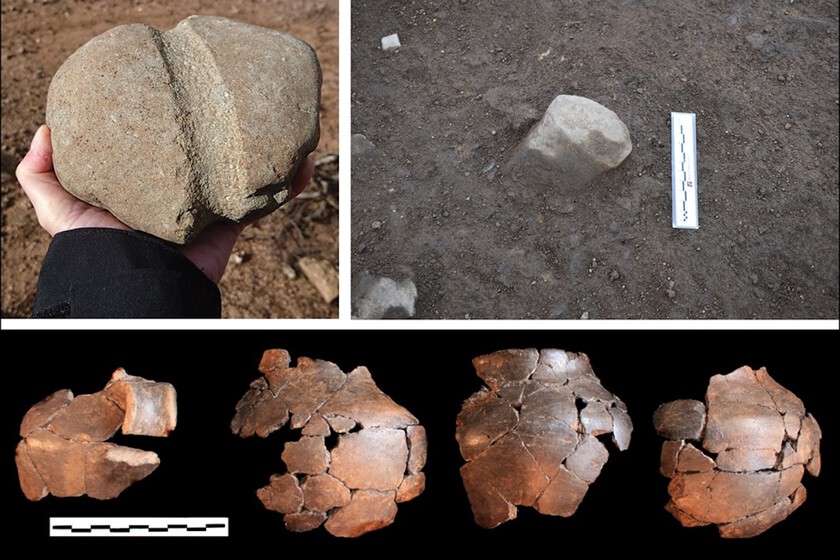
Ancient copper mine in Spain supplied metal to northern Europe
xataka.com · 21 Nov 2026
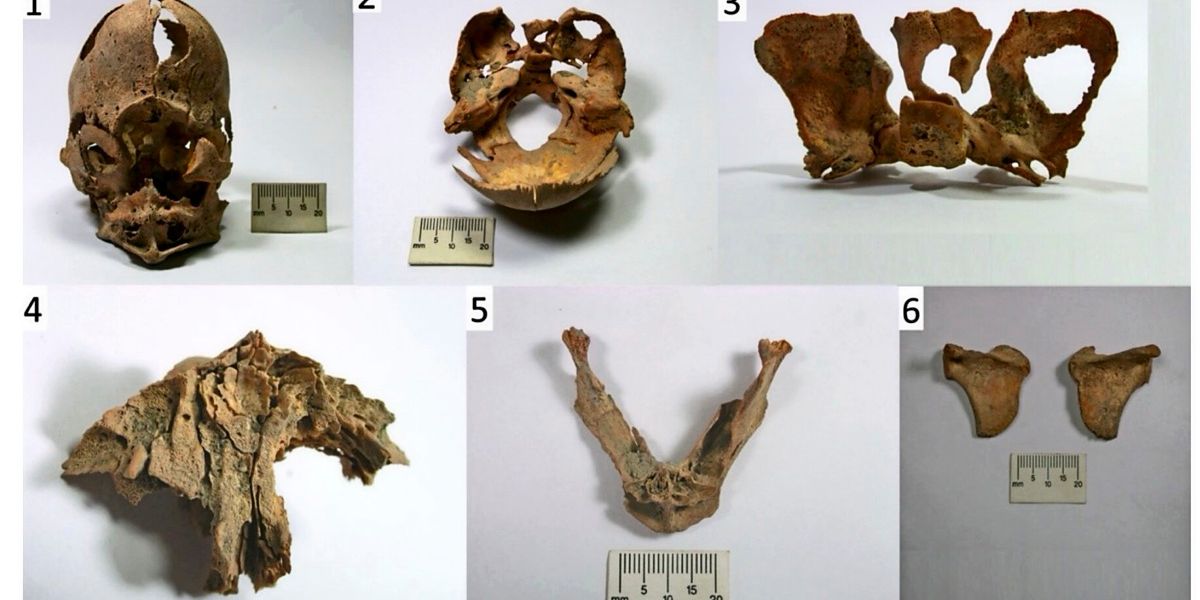
Scientists identify cause of bone malformation in ancient Peruvian child
derstandard.at · 15 Nov 2026

Ecologist Jennifer Grenz studies Indigenous stewardship to aid post-fire recovery
sciencenews.org · 21 Nov 2026