Genetic analysis reveals Ghost lineages in human ancestry
Headline and summary by local AI
Researchers at the University of California in Berkeley identified two previously unknown human lineages, which they call ghost lineages, by analyzing the genomes of modern humans.
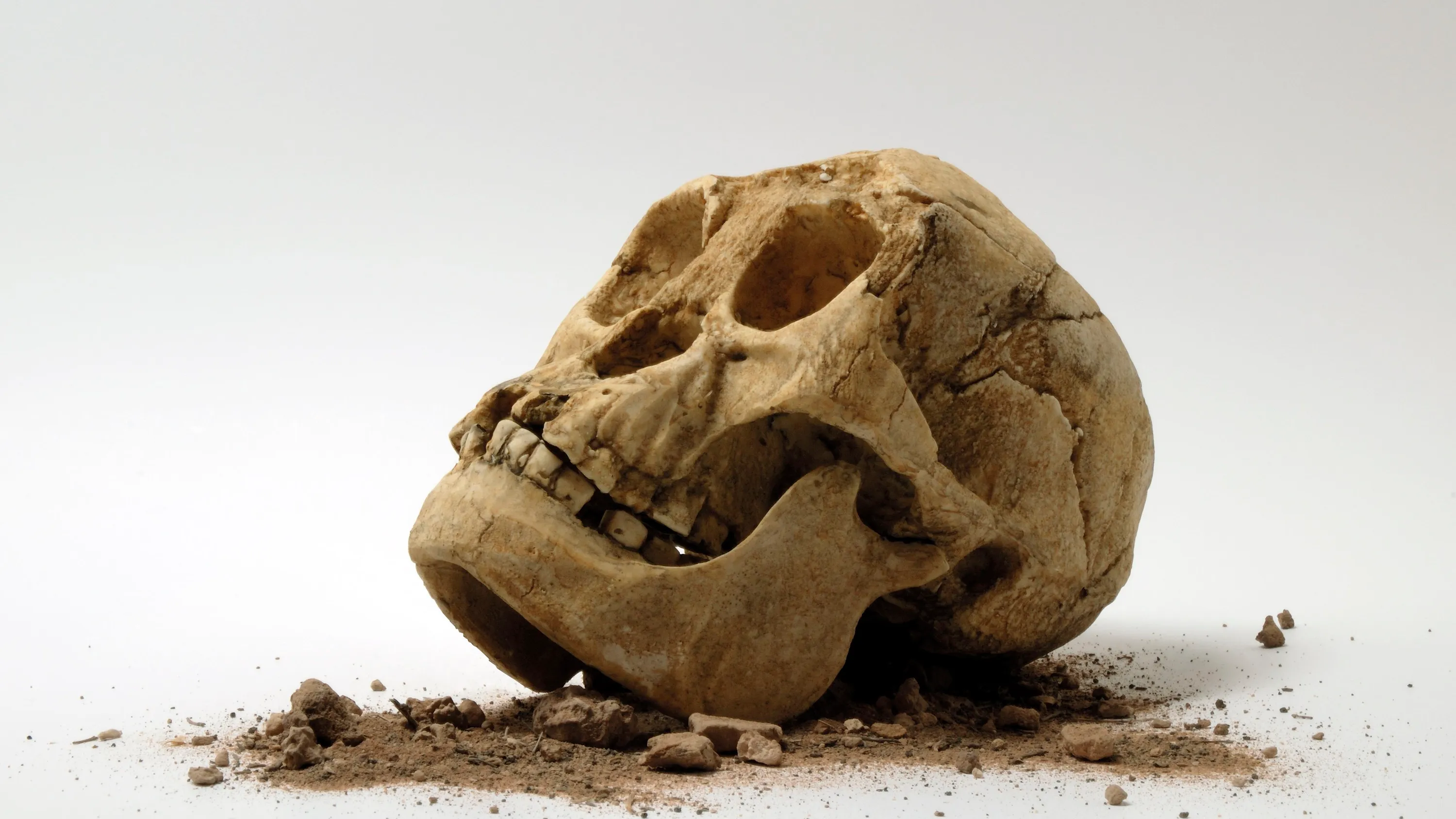
These lineages represent ancestors that lived and interbred with our own species before the major expansion of Homo sapiens out of Africa. The study shows that one of these ghost lineages branched off from the direct human lineage more than 800,000 years ago and later mixed with the ancestors of modern humans.
A second lineage, which the researchers call superarchaic humans, split off more than 1.5 million years ago. These superarchaic humans did not mix directly with Homo sapiens but did interbreed with Denisovans in Asia. This interaction allowed their genetic material to enter the modern human gene pool, particularly in populations with high amounts of Denisovan DNA, such as those in Papua New Guinea and Melanesia. These findings complicate the traditional view of a simple human history.
While the majority of modern human ancestry remains rooted in Africa, these ghost lineages contribute between 0.5 to 1 percent of the DNA in all living humans regardless of their ethnicity. These genetic contributions from archaic humans, including Neanderthals and Denisovans, can influence modern traits such as the immune system, metabolism, and susceptibility to diseases like schizophrenia. Archaeologists continue to discover other small-bodied human species, such as Homo floresiensis and Homo luzonensis, which lived alongside our ancestors.
While researchers have not yet found preserved DNA from the Flores island inhabitants due to the tropical climate, they continue to search for evidence of how these diverse groups interacted and influenced the human story.
Selected and summarized by local AI How we work
Discovery: Archaeology, new knowledge of art, culture and history, forgotten history uncovered, something lost restored.