Greece reduces coal use to become a net electricity exporter
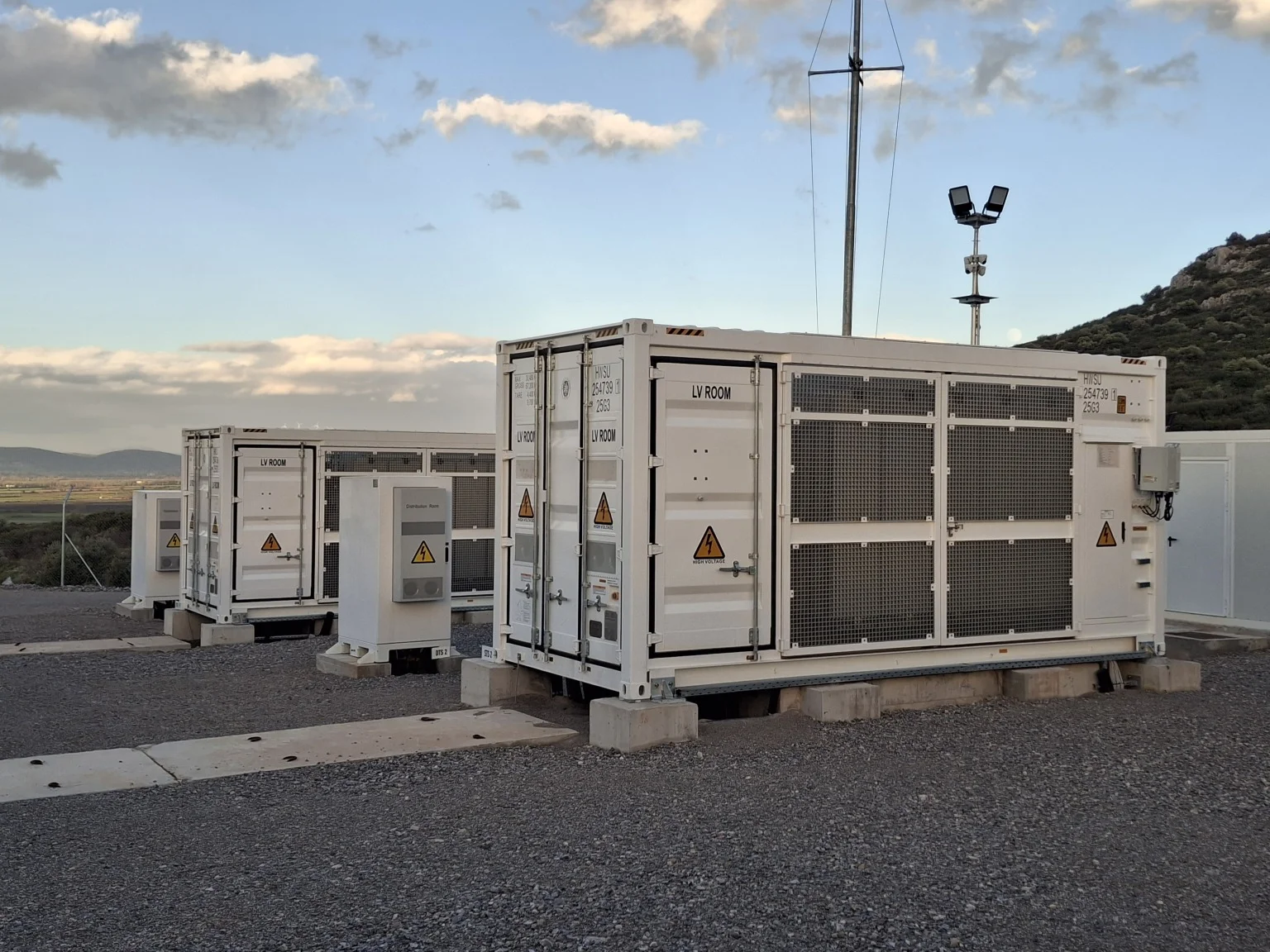
Headline and summary by local AI
The Greek government has transitioned its national power grid from a coal-dependent system to one powered by wind, solar, and gas. This shift has allowed the country to reach electricity parity in 2024 and move toward becoming a net exporter of power.
Minister of Environment and Energy Stavros Papastavrou stated that coal provided more than half of the country's electricity just 15 years ago.
Today, only one coal-fired unit remains in operation, the Ptolemaida 5 plant, which produces about 6% of the nation's electricity. The government replaced coal with renewable energy sources and new gas-fired plants supported by large-scale battery storage. This transition has brought domestic electricity prices below the European Union average. To support this infrastructure, the government is investing 7 billion euros to connect various islands to the mainland grid.
This project utilizes subsea cables produced by Hellenic Cables, a company based between Athens and Corinth. The government also plans to establish Greece as an energy crossroads by connecting to the Egyptian grid and importing natural gas from the eastern Mediterranean. The government under Prime Minister Kyriakos Mitsotakis is also preparing for the construction of the country's first nuclear power plant.
A committee led by Nikos Tsafos is currently analyzing the possibility of building small or medium-sized reactors within the next decade.
Selected and summarized by local AI How we work
Solutions: Technology, policy and initiatives already in use against a real problem, with results to show.
More in Solutions

Kenya expands economic opportunities through digital jobs and youth funding
eastleighvoice.co.ke · 18 Nov 2026
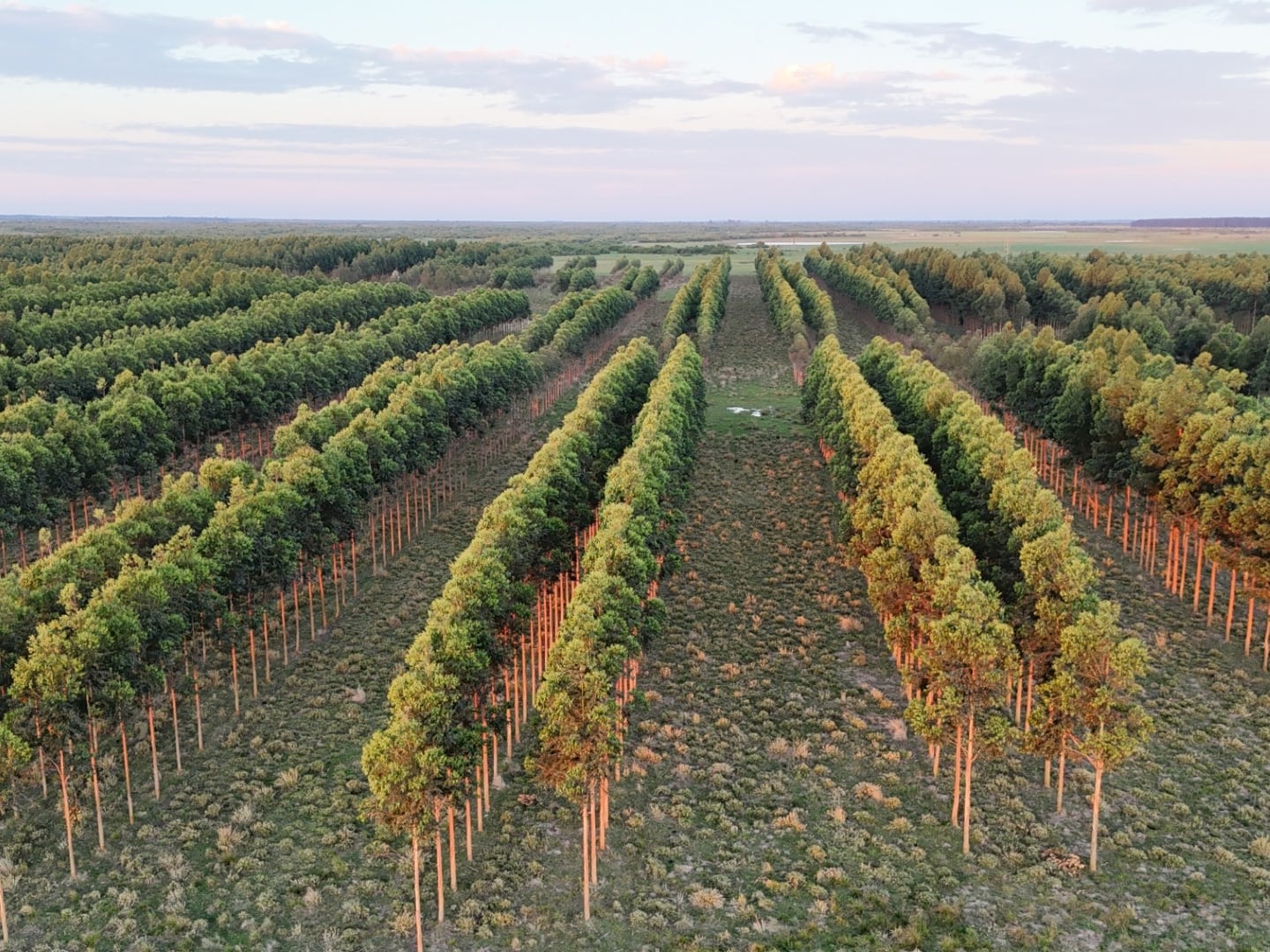
A forest farm in Argentina switches to high quality wood model
lanacion.com.ar · 16 Nov 2026
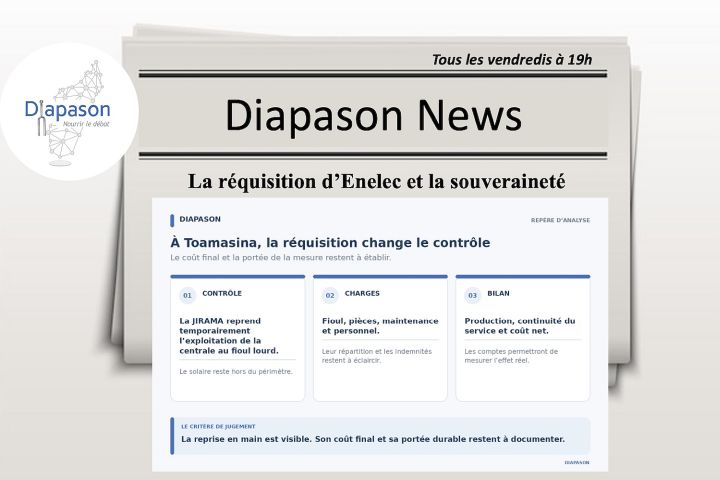
Madagascar government requisitions private power plant to ensure electricity supply
madagascar-tribune.com · 14 Nov 2026