Japanese researchers find potential site of first Roman emperor’s death
Headline and summary by local AI
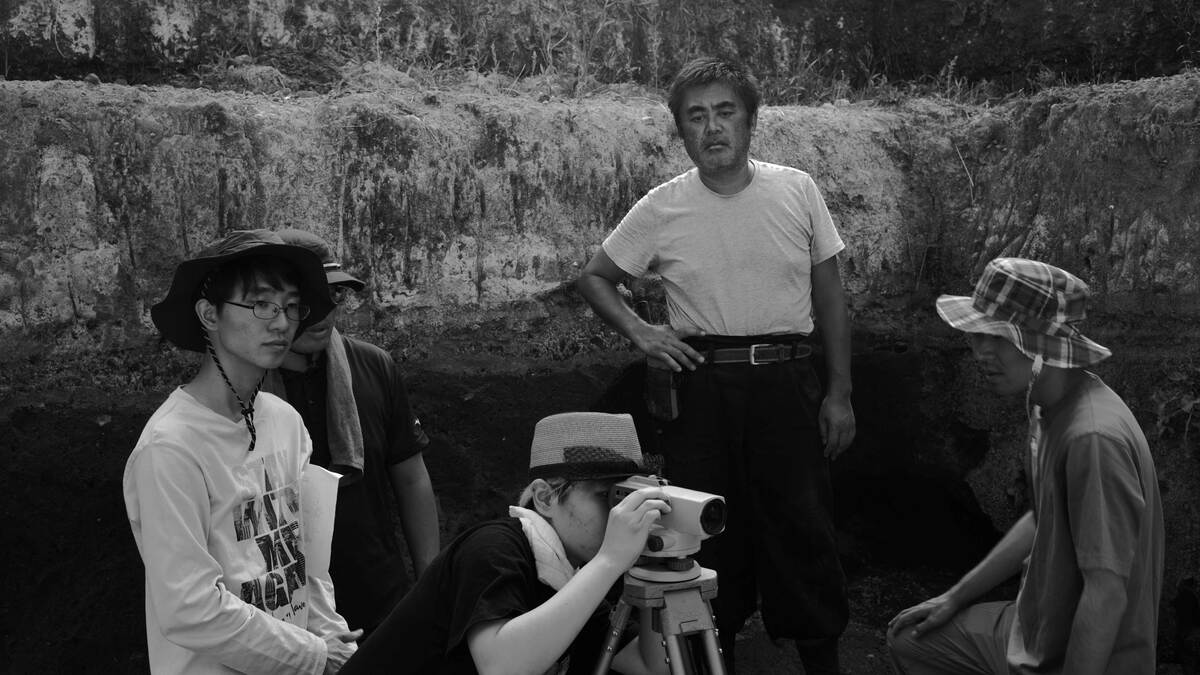
A team from the University of Tokyo’s Graduate School of Arts and Sciences is excavating the Somma Vesuviana ruins in Italy to find evidence of ancient Roman history.
The project, led by professor emeritus Aoyagi Masanori, began in 2002. The researchers are searching for a villa once owned by Augustus, the first emperor of Rome, who is believed to have died in the region.
The excavation faced a setback in the early years when the team discovered buildings and artifacts from the second century. This led researchers to believe the site was buried during a different eruption in AD 472 rather than the famous 79 CE eruption. However, in 2019, the team found a separate structure at a deeper level. By 2024, researcher Iwaki Katsuhiro reported finding evidence that this deeper structure suffered damage from the 79 CE eruption.
The team also uncovered seven furnaces, which suggests the villa had large bathing facilities suitable for a powerful figure. The site also provides data on how humans interacted with volcanic disasters. While experts previously thought the Somma area escaped major damage from the 79 CE eruption due to its northern location, a 2024 dig revealed an extremely thick layer of volcanic ash.
The ruins show that instead of moving to new locations, ancient residents used the old buildings as foundations for new ones. This suggests the area remained attractive to people despite the repeated cycles of destruction.
Selected and summarized by local AI How we work