Japan prepares for the Year of the Sheep despite a history of limited sheep farming
Headline and summary by local AI
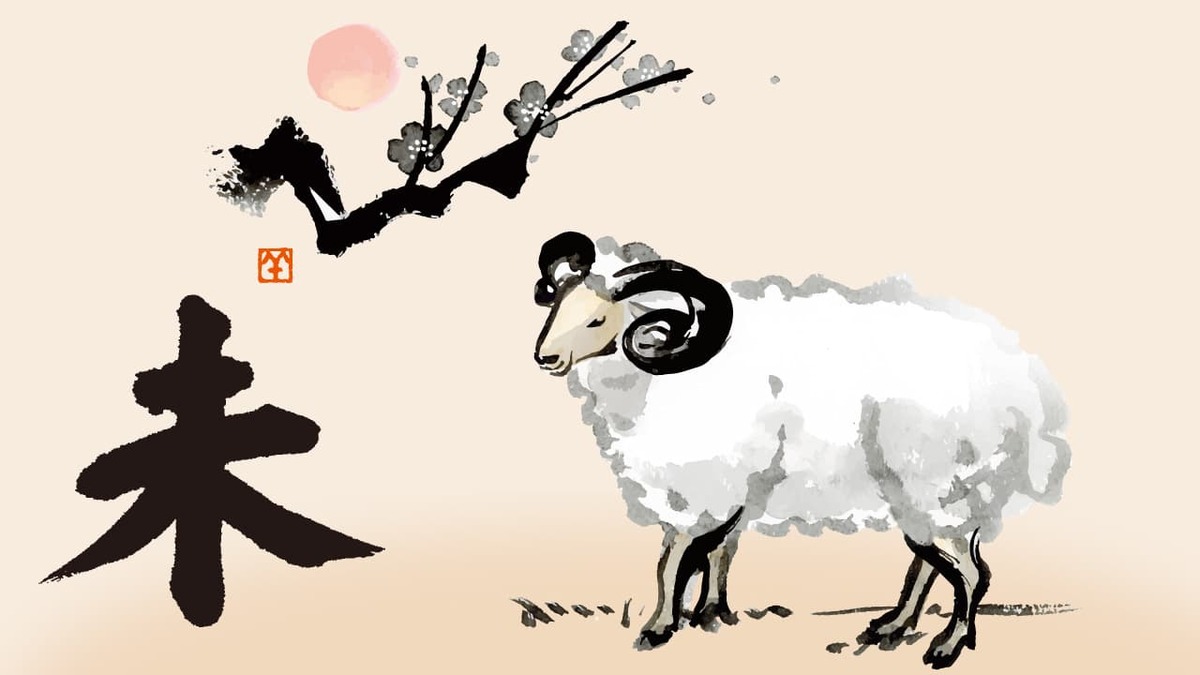
Japanese people will celebrate the Year of the Sheep in 2027, marking a cycle in the eto, a traditional 12-year zodiacal calendar.
Although the sheep appears in this cycle, the animal remained largely unknown to the Japanese population for centuries. Records from the eighth-century Nihon shoki show that the Kingdom of Baekje on the Korean Peninsula gifted two sheep to Japan in 599.
However, because sheep could not be used for transport or plowing and the population lacked the knowledge to process wool, the animals never became established livestock. Historical illustrations from the Muromachi and Edo periods often depicted sheep with long beards, making them look like goats. Japan began importing sheep in earnest only after the 1868 Meiji Restoration. The government encouraged sheep farming to provide supplies for the First Sino-Japanese War, the Russo-Japanese War, and World War I.
Following World War II, the state again promoted sheep raising to address food and clothing shortages before cheaper imported wool caused domestic production to decline again. Cultural references to sheep in Japan often stem from linguistics rather than livestock. The name of the sweet confection yōkan uses a character for sheep because it was originally a mutton soup brought by Zen monks from China.
Similarly, the name of Mount Yōtei in Hokkaidō includes a sheep character, but the name actually refers to a common weed. In the traditional 12-hour time system, the hour of the sheep occurs in the early afternoon between one and three.
Selected and summarized by local AI How we work