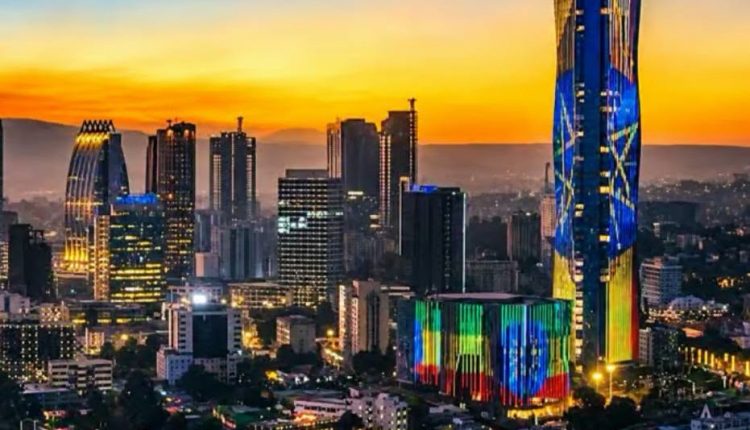
Ethiopia pursues renewal despite challenges since 2018
Summary and headline written by AI from the source article. How we work
Since 2018, Ethiopia has been working to reshape its political and economic systems while facing conflict, pandemic pressures, drought, and economic difficulties.
Prime Minister Abiy Ahmed began a series of reforms upon taking office, releasing political prisoners and seeking peace with Eritrea, guided by the philosophy of Medemer, emphasising unity and reconciliation. The government shifted its economic approach to include more private sector involvement and expand productive capacity, investing in sectors like telecommunications, finance, and agriculture.
This included opening the historically state-run telecommunications sector to competition and expanding digital services like payments and identification systems. Alongside digital development, Ethiopia has invested heavily in physical infrastructure. The Grand Ethiopian Renaissance Dam moved into power generation, and plans for a new international airport near Bishoftu have been developed with a capacity for 60 million passengers annually, potentially expanding to 110 million.
The country also focused on increasing agricultural output, particularly wheat, through irrigation and modern farming techniques, aiming for self-sufficiency and exports. A large-scale tree-planting initiative, the Green Legacy, saw over 805 million seedlings planted in a single day with participation from more than 26 million people. In 2026, Ethiopia joined BRICS and continued to seek partnerships on the global stage.
Recognising the need for internal stability, the Ethiopian government launched a National Dialogue process involving nearly 4,000 citizens to address national challenges and reach consensus on key issues, and announced clemency for hundreds of inmates as part of reconciliation efforts.