Aral School participants challenge Karakalpakstan narratives
Summary and headline written by AI from the source article. How we work
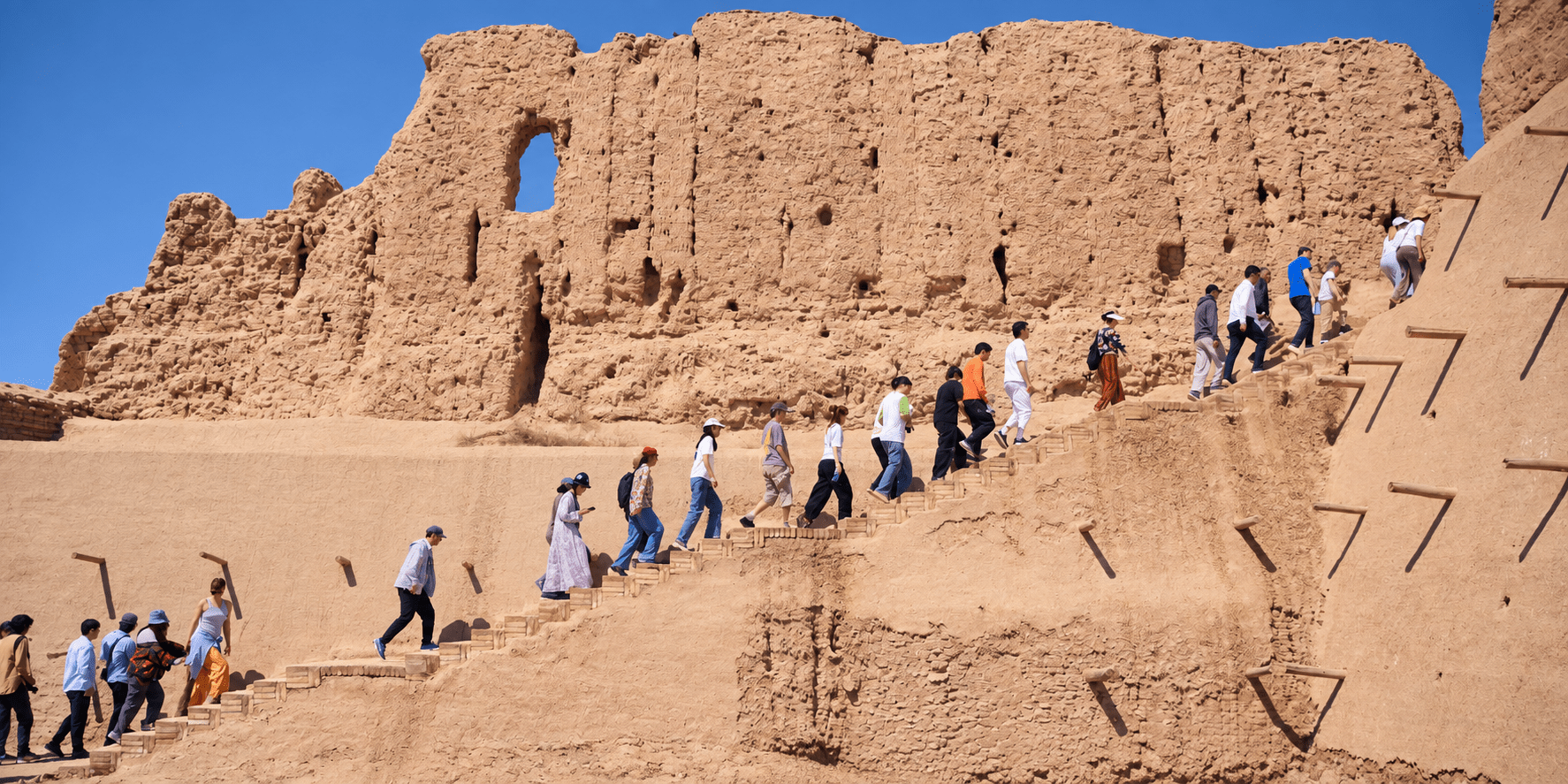
Australian researcher Jess Nikitina-Li and others participating in the Aral School initiative in Nukus, Uzbekistan, re-evaluated common understandings of Karakalpakstan, focusing on resilience rather than solely on environmental crisis.
Nikitina-Li, a multimedia artist, became interested in local proverbs about seasonal food abundance, specifically, a saying outlining a cycle of pumpkin, fish, melon, and milk, and how this reflects a capacity for adaptation.
She worked with local women to create “The Wild Kelin,” a cooking collective exploring traditional knowledge and household practices. Researchers at the school emphasized the importance of intercultural exchange and collaboration with local communities. Bekmurat Abdikairov, a researcher specializing in geographic information systems, found the program broadened his understanding of the Aral crisis beyond solely scientific data, highlighting the need to consider water management, agriculture, and social factors.
Islam Nurmukhamedov, a geophysicist, noted the school helped bridge language and trust barriers between international researchers and local communities, fostering cooperation. Sarthak Chakraborty, an artist from India, arrived expecting to find a region defined by scarcity but discovered a vibrant community and ecosystem. He found existing narratives online did not accurately reflect the reality on the ground. Participants across disciplines, from ecology to anthropology, agreed that combining local knowledge with modern techniques is crucial for sustainable solutions in the region.
The Aral School will offer a second cohort focused on “Climate and Landscape” from January to June 2027, with applications open until October 25.