Golden Horde’s adaptability reshapes Eurasian history understanding
Summary and headline written by AI from the source article. How we work
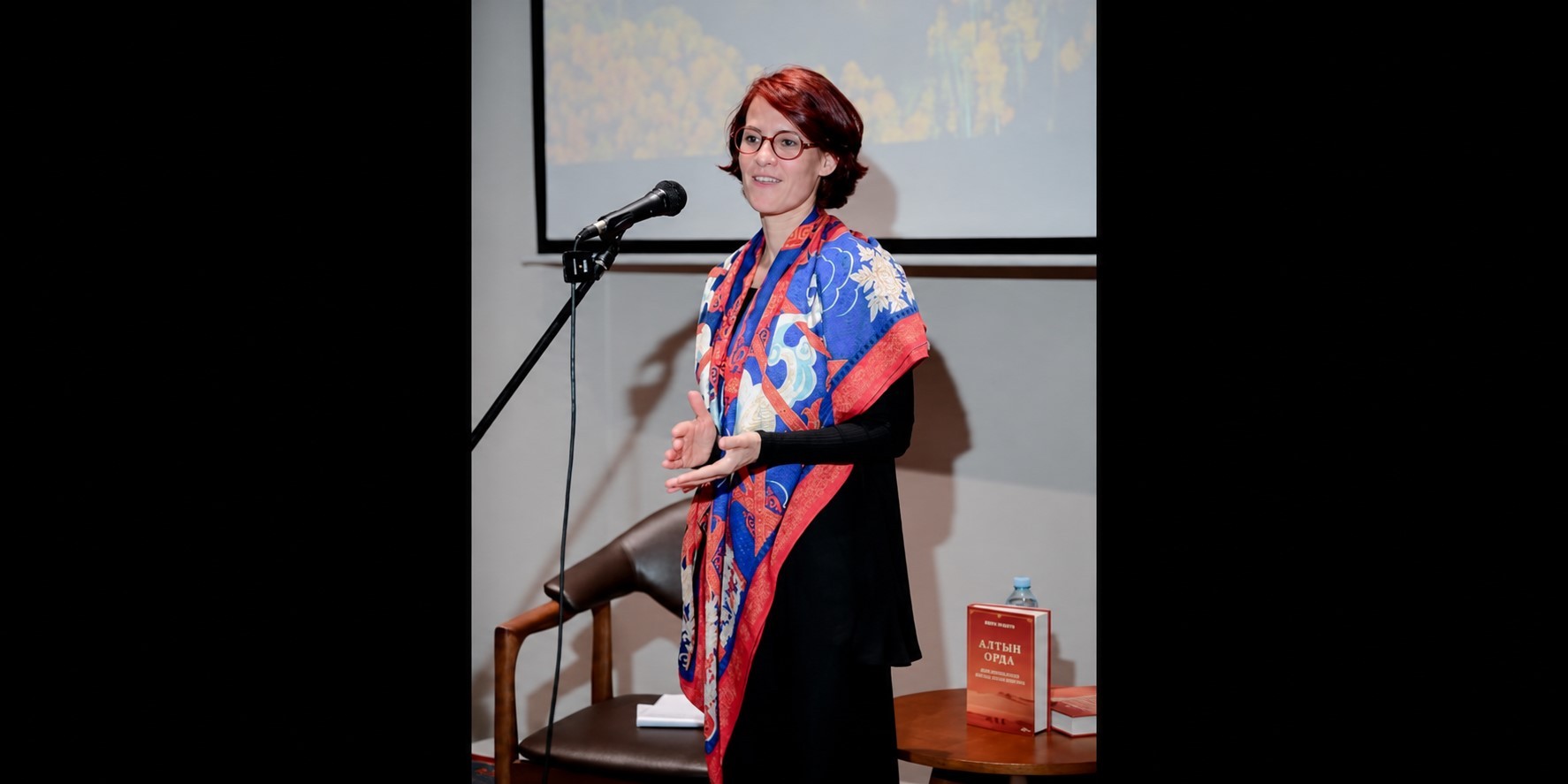
French historian Marie Favereau has spent over two decades studying the Golden Horde, the western part of the Mongol Empire, and its impact on Eurasia. Challenging traditional views of nomadic groups as purely destructive, Favereau argues the Horde built and restored cities while fostering complex relationships with surrounding societies.
Her research, detailed in the book The Horde: How the Mongols Changed the World, reveals a sophisticated political system that adapted to changing circumstances rather than simply declining.
Favereau began her research while a student in Paris, navigating limited French-language resources and eventually travelling to study sources in Russia and beyond. She encountered challenges with languages and differing writing systems, but found that field work in Central Asia dramatically improved her understanding of the region and its history. Her work focuses on steppe organization, highlighting how nomadic rulers maintained cities and developed unique urban structures suited to the vast Central Asian landscape.
Favereau’s research sheds light on figures like Jochi, Genghis Khan’s son, and portrays the relationship between Tokhtamysh of the Golden Horde and Timur (Tamerlane) as more nuanced than simple conflict. She emphasizes that the shift of the Horde’s political center toward Central Asia should be understood as adaptation, not collapse, and that Jochid political traditions persisted for centuries after the fall of other Mongol states.
Favereau currently teaches the history of the Golden Horde in France and hopes to contribute to a growing body of scholarship, particularly in collaboration with Kazakh historians and archaeologists.