Shaki village: documenting Azerbaijan’s lost heritage
Summary and headline written by AI from the source article. How we work
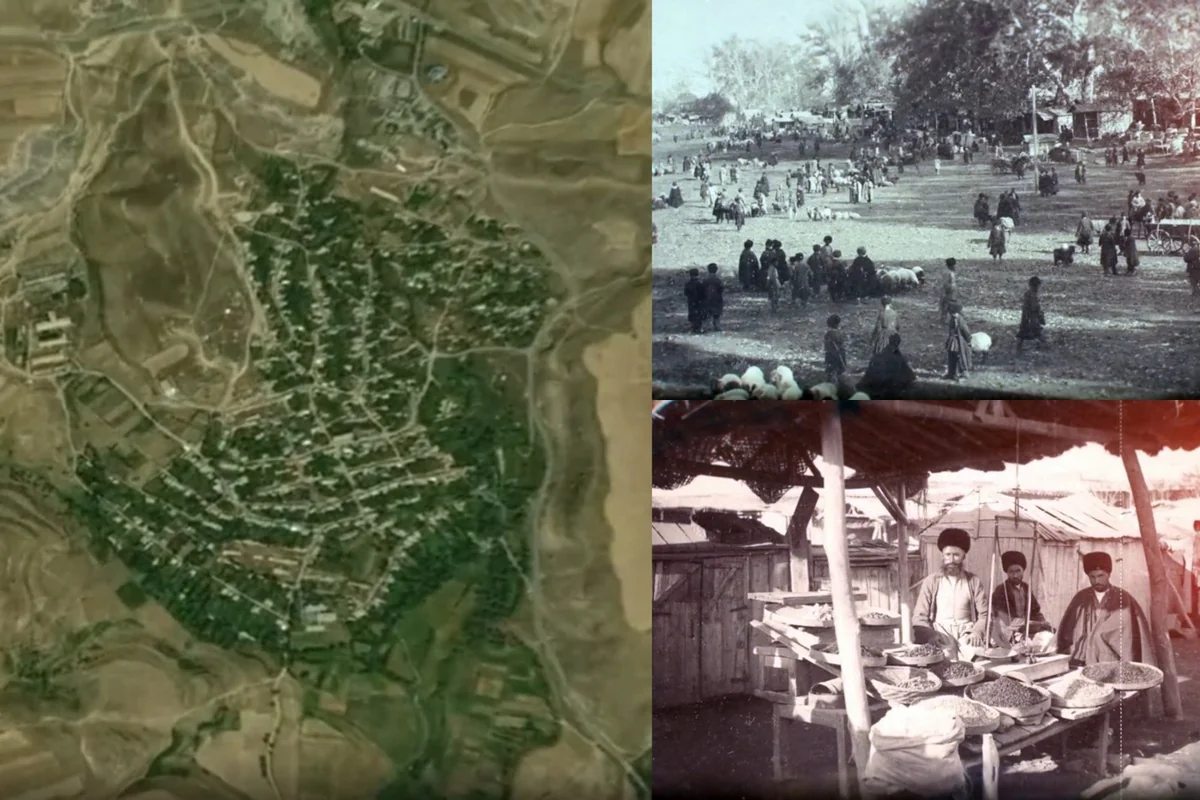
A project called “The Perished Civilization” is documenting the history and cultural heritage of settlements in Western Azerbaijan, beginning with the village of Shaki, now located in Armenia’s Syunik Province.
Researchers are using Ottoman records, Russian Empire publications, Azerbaijani and Armenian archives, and field research from 2021-2024 to trace Shaki’s history.
Historical documents from the 16th to 18th centuries show the village listed in Ottoman registers following wars and treaties, and later as part of the Karabakh Khanate and then the Russian Empire. The project details a significant population decline in Shaki, particularly after events in 1918. Reports from 1918 indicate violence against the Turkic-Muslim population, with one Georgian newspaper reporting 95 deaths and extensive damage. Azerbaijani archives show 500 deaths and 156 injuries in the autumn of that year.
The population dropped from 1,584 in 1915 to 294 in 1922, with most remaining residents identified as Azerbaijani. Following the establishment of Soviet Armenia in 1920, Shaki became part of Armenia, and Azerbaijanis continued to live there until the late 20th century. Researchers noted inconsistencies in Armenian sources regarding the ethnic composition of the village, claiming that data originally identifying Azerbaijani residents were later presented as Armenian.
They also link the final departure of Azerbaijanis from Shaki to escalating tensions between Armenia and Azerbaijan in the late 1980s. The team discovered remnants of a mosque and a cemetery with damaged gravestones, including one with a 14th-century Arabic inscription.