Rare fungi discovery makes Keighley Habitat Bank a nationally important site

Headline and summary by local AI
Ecologists identified several rare mushroom species at the 140-acre Keighley Habitat Bank on the edge of Ilkley Moor in West Yorkshire, England.
The discovery includes blackening waxcaps, snowy waxcaps, apricot club varieties, and the internationally vulnerable lilac pinkgill. The site transitioned from sheep-grazed pastureland into a diverse landscape of meadows, fens, scrub, grassland, and woodland. Environment Bank owns the land and creates biodiversity net gain sites for developers to offset the environmental impact of new buildings.
Thomas Dodds, an ecologist, noted that up to 90% of waxcap grassland habitats have disappeared across Europe. He stated that these fungi help maintain soil health by recycling nutrients, storing carbon, and reducing erosion. The site sits next to the Jacob's Wood and Holden Beck Local Wildlife Site.
Selected and summarized by local AI How we work
More in Recovery

Researchers develop biological crust mats to restore degraded land
news.sciencenet.cn · 16 Nov 2026
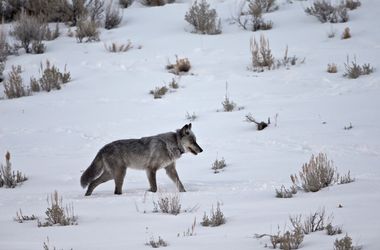
Wolf reintroduction in Yellowstone park sparks debate over ecological recovery
hvg.hu · 16 Nov 2026
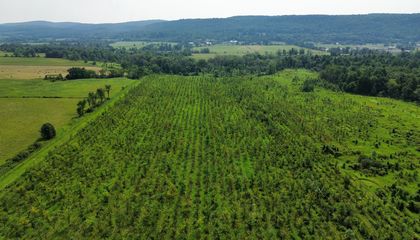
Scientists use genetic diversity to restore American elms after disease blight
smithsonianmag.com · 20 Nov 2026