Tardigrade DNA confirms species in Germany, resolves debate
Summary and headline written by AI from the source article. How we work
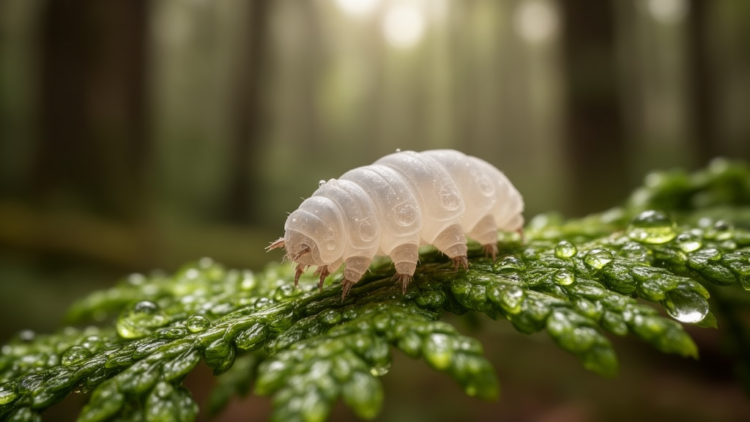
Researchers in Germany genetically confirmed the presence of Platicrista angustata, a rare species of tardigrade, microscopic animals also known as water bears, in the Taunus mountains.
In April 2023, scientists collected moss samples from tree trunks at 622 metres elevation near Weiße Mauer and identified three specimens of Platicrista. They extracted DNA from two of these tardigrades and compared it to existing genetic data for related species.
The analysis showed the German specimens closely matched P. angustata found in Scotland and Norway, sharing identical sequences at multiple genetic markers. This finding settled questions about whether the species genuinely lived in Germany, following the establishment of a reference specimen from Scotland and the discovery of similar-looking species. The researchers used four genetic markers, 18S and 28S rRNA, ITS-2, and COI, and a detailed analysis to place the German tardigrades within the P. angustata group.
This confirmation also allowed the scientists to address criticisms made by other researchers in 2024 regarding the classification of several tardigrade species. They argued that the earlier work had not been properly understood and that the criticisms were based on misunderstandings of the original research goals. Furthermore, the study revealed that Platicrista has a broader global distribution than previously believed, extending beyond northern temperate regions to include Southeast Asia and the Neotropics.
To clarify the genus, they proposed a revised and more precise definition based on distinct physical characteristics and genetic data.