War and invasive insects threaten lifeline cactus in Africa
Summary and headline written by AI from the source article. How we work
In Ethiopia and Eritrea, a cactus known as Beles, introduced in the 19th century, is rapidly declining due to the combined effects of the Tigray War and an invasive insect.
Catholic missionaries first planted the cactus because the land was unsuitable for traditional crops. For nearly 200 years, it has been vital for stabilizing slopes, providing food and livestock feed, and supporting local economies. The cactus historically covered over 360,000 hectares in Ethiopia’s Tigray region, sustaining around 200,000 households.
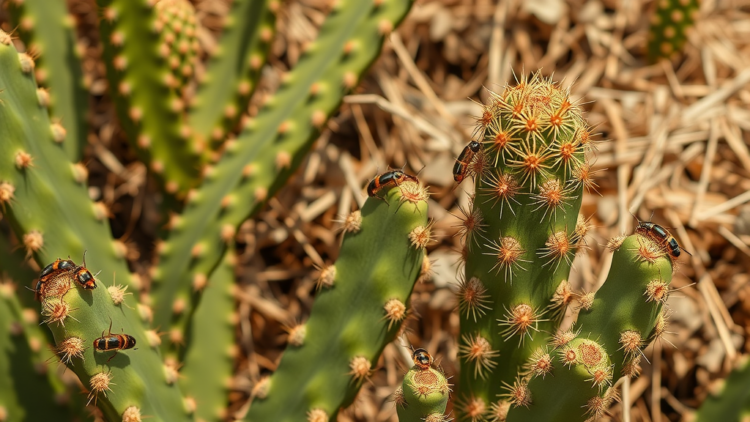
It provides up to 40 percent of the annual food supply for some families, especially during lean months. In 2003, authorities intentionally introduced the carmine cochineal insect to the region to establish a dye industry. After the investor’s license was revoked in 2010, monitoring stopped and the insect escaped, becoming a destructive pest that kills cactus plants within months.
While local communities initially contained the spread, the Tigray War from 2020 to 2022 disrupted these efforts, allowing the infestation to surge. Researchers now project that over 120,000 hectares will be infested by 2026, with key ecosystem health indicators plummeting. The loss of the cactus threatens food security, carbon sequestration, and the livelihoods of many people.
Researchers are testing botanical pesticides, extracts from plants like Tree Tobacco and Solanum linnaeanum, as a low-cost solution, and are working to propagate insect-free plants. However, effectively managing the problem requires regional stability and cooperation between Ethiopia and Eritrea, as well as accurate identification of the specific cochineal species present.