Iran reduced geographic disparities in pharmacy distribution since 2011

Headline and summary by local AI
Researcher Hadi Hayati found that Iran improved the distribution of pharmacies across its 31 provinces between 2011 and 2024.
The study, published in BMC Health Services Research, used the Gini coefficient to measure how evenly pharmaceutical services were spread relative to the population. The data showed a decrease in geographic disparities over the thirteen-year period. The study revealed that provinces which previously had the lowest levels of pharmacy access saw the most progress in narrowing their service deficits.
However, the research also noted that major urban centers maintained high concentrations of facilities. Tehran, the capital of Iran, kept an exceptionally high clustering of pharmacies compared to provincial averages at the end of the study in 2024. Hayati identified coordinated policy interventions as the main drivers for this redistribution of services. The research team used official government registries to track population and pharmacy counts at four specific points: 2011, 2016, 2021, and 2024.
The author suggests that Iran's experience provides a framework for other low- and middle-income countries to use standardized economic indices to track and improve healthcare equity.
Selected and summarized by local AI How we work
Thriving: Health improving, rights advancing, lives getting better.
More in Thriving

A cooperative in Argentina transforms waste into furniture and jobs
noticiasambientales.com · 14 Nov 2026
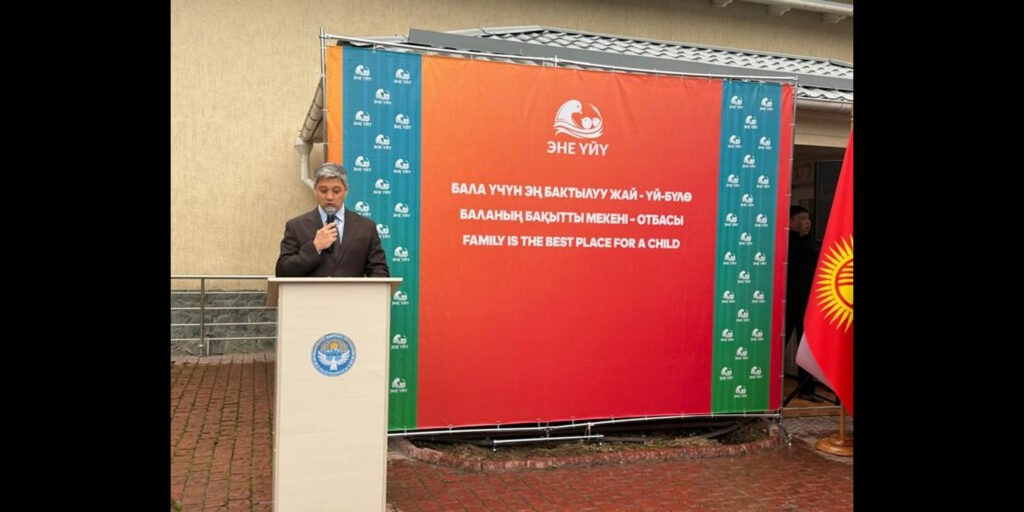
Mother’s Home foundation expands international network of family support centers
timesca.com · 17 Nov 2026

Germany grants citizenship to thousands of people from Bosnia and Herzegovina
n1info.ba · 22 Nov 2026