Germany grants citizenship to thousands of people from Bosnia and Herzegovina
Headline and summary by local AI
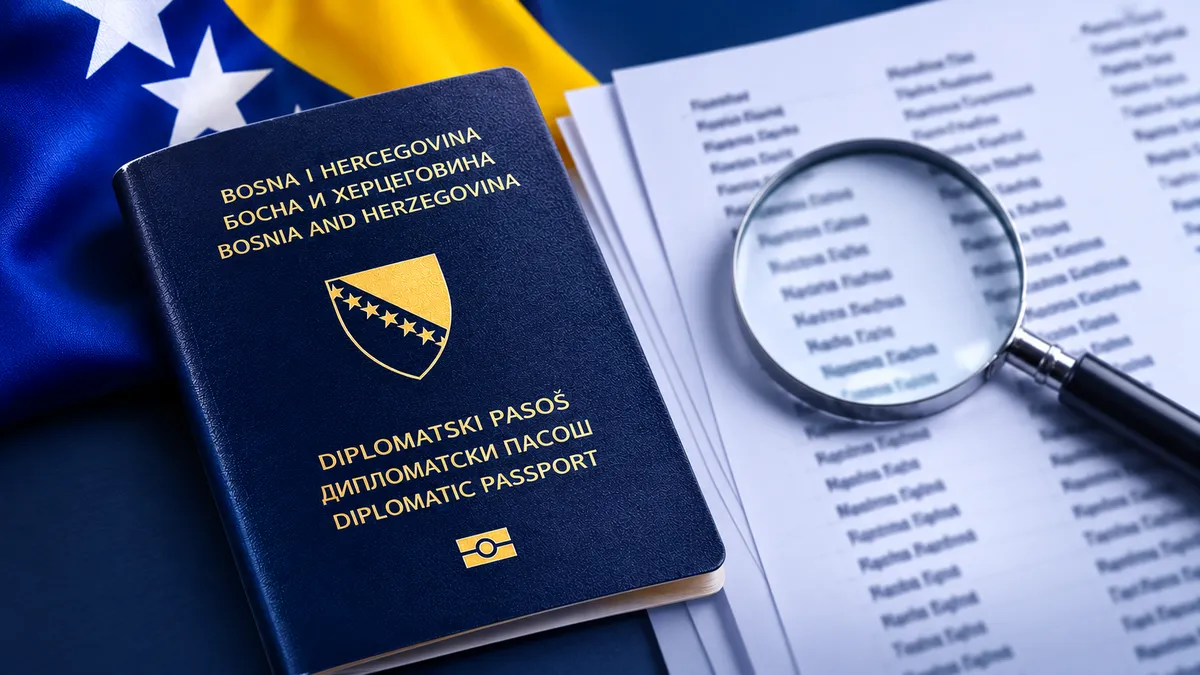
Germany granted citizenship to 8,800 people from Bosnia and Herzegovina in 2025, a 126 percent increase from the previous year.
The German Federal Statistical Office, Destatis, reported that these figures were part of a broader 14 percent rise in total naturalizations within Germany during that period. The increase in naturalizations aligns with a 2024 German law that established dual citizenship as a general rule rather than an exception.
Previously, most people from Bosnia and Herzegovina had to prove they renounced their home country's citizenship to obtain a German passport. The 2024 reform also reduced the residency requirement for citizenship from eight years to five years, provided the applicant knows German and can support themselves. While a three-year fast track for special integration achievements was briefly available, the German government revoked that option in late 2025, making five years the minimum residency for everyone.
Despite these changes in Germany, a legal hurdle remains in Bosnia and Herzegovina. Bosnian law requires a bilateral agreement with a foreign country to allow its citizens to hold dual nationality. While Bosnia and Herzegovina has such agreements with Serbia, Croatia, and Sweden, no such agreement exists with Germany.
A 2024 initiative by Denis Zvizdić, who was then the presiding member of the Representative House of the Parliamentary Assembly of Bosnia and Herzegovina, sought to start negotiations with Berlin to help over 30,000 former citizens regain their nationality. However, the Council of Ministers of Bosnia and Herzegovina blocked the initiative in October 2024. The Ministry of Civil Affairs stated in June 2026 that conditions were not met to begin formal negotiations.
Selected and summarized by local AI How we work