Pakistan solar power share rises to 28 percent as citizens adopt panels
Headline and summary by local AI
Pakistanis are rapidly adopting solar panels to bypass rising electricity costs and an unreliable national grid. The share of solar energy in the country's power mix grew from one percent in 2018 to a projected 28 percent in 2025.
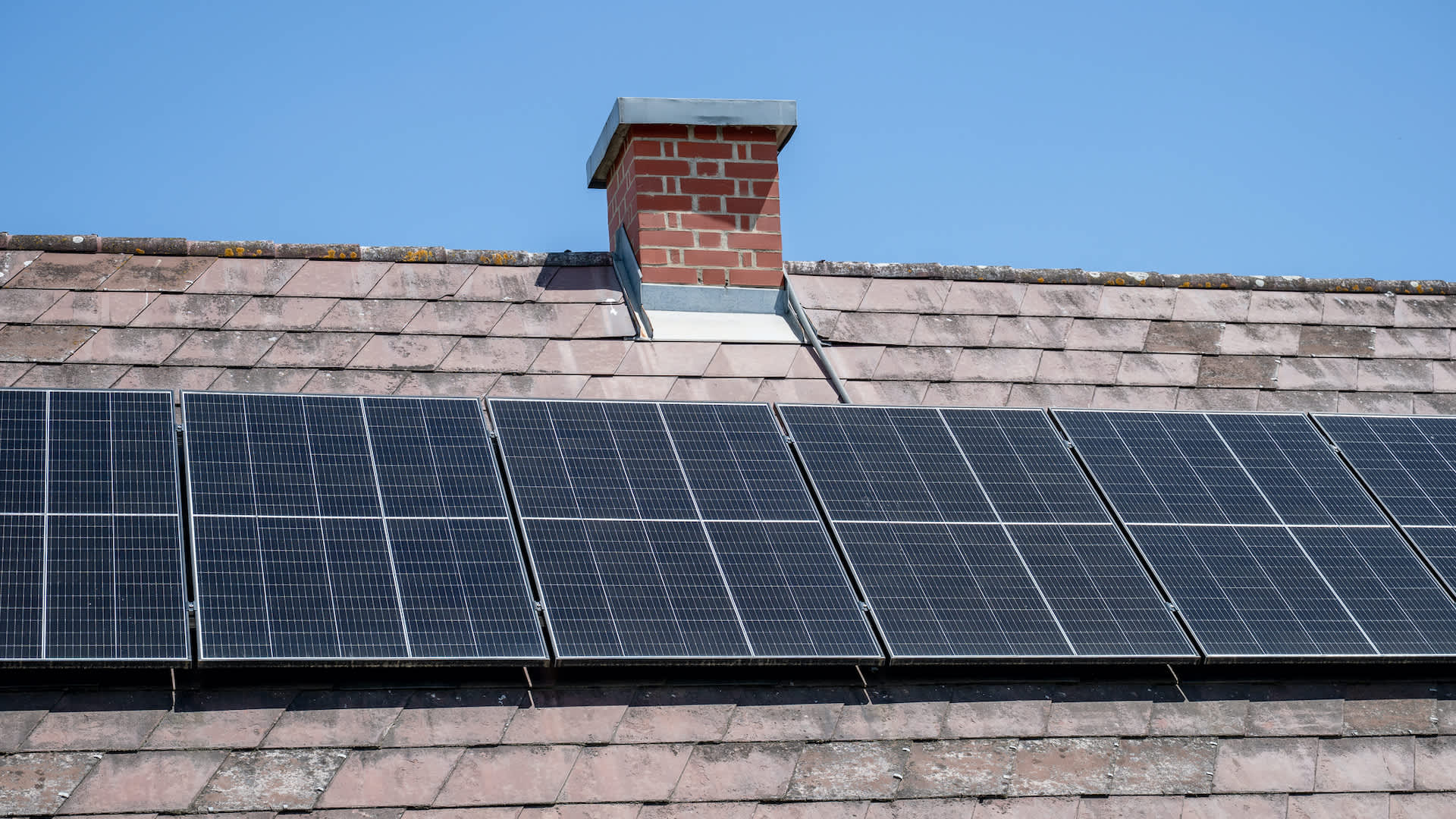
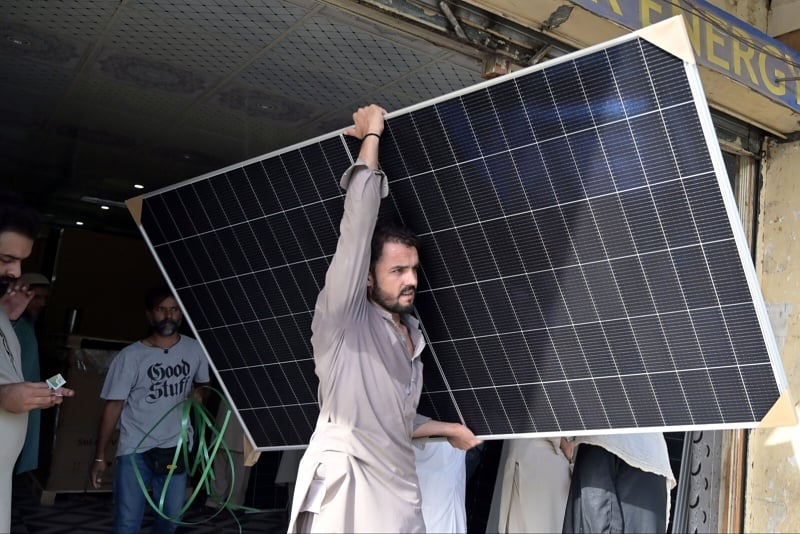
Citizens are installing solar panels across the country, including in homes, hospitals, and industrial sites. In the Punjab province, residents like Faisal Shahzad now receive solar panels as part of traditional wedding gifts.
These systems allow families to run appliances like air conditioners during the day without drawing power from the national grid. This shift comes as electricity prices more than doubled in recent years while the cost of Chinese solar panels dropped by 93 percent. Experts from Renewables First warn of a death spiral for the national grid.
As more people leave the grid, fewer customers are available to cover its fixed maintenance costs, which can drive prices even higher for those who cannot afford solar systems. Energy Minister Awais Ahmad Leghari stated that the departure of customers from the grid has cost remaining users over 500 million dollars annually over the last two years. The government is now renegotiating contracts with private producers and focusing on energy storage to make the grid more competitive.
Industries are also joining the transition. Kohinoor Textile Mills in Islamabad uses solar power to run hundreds of machines during the day. While the government recently changed rules regarding how much credit households receive for feeding excess power back into the grid, officials argue the move is necessary to keep costs sustainable for everyone. Pakistan aims to source up to 90 percent of its electricity from clean sources by the end of 2036.
Selected and summarized by local AI How we work