Peru grants legal rights to stingless bees to protect Amazon ecosystem
Headline and summary by local AI
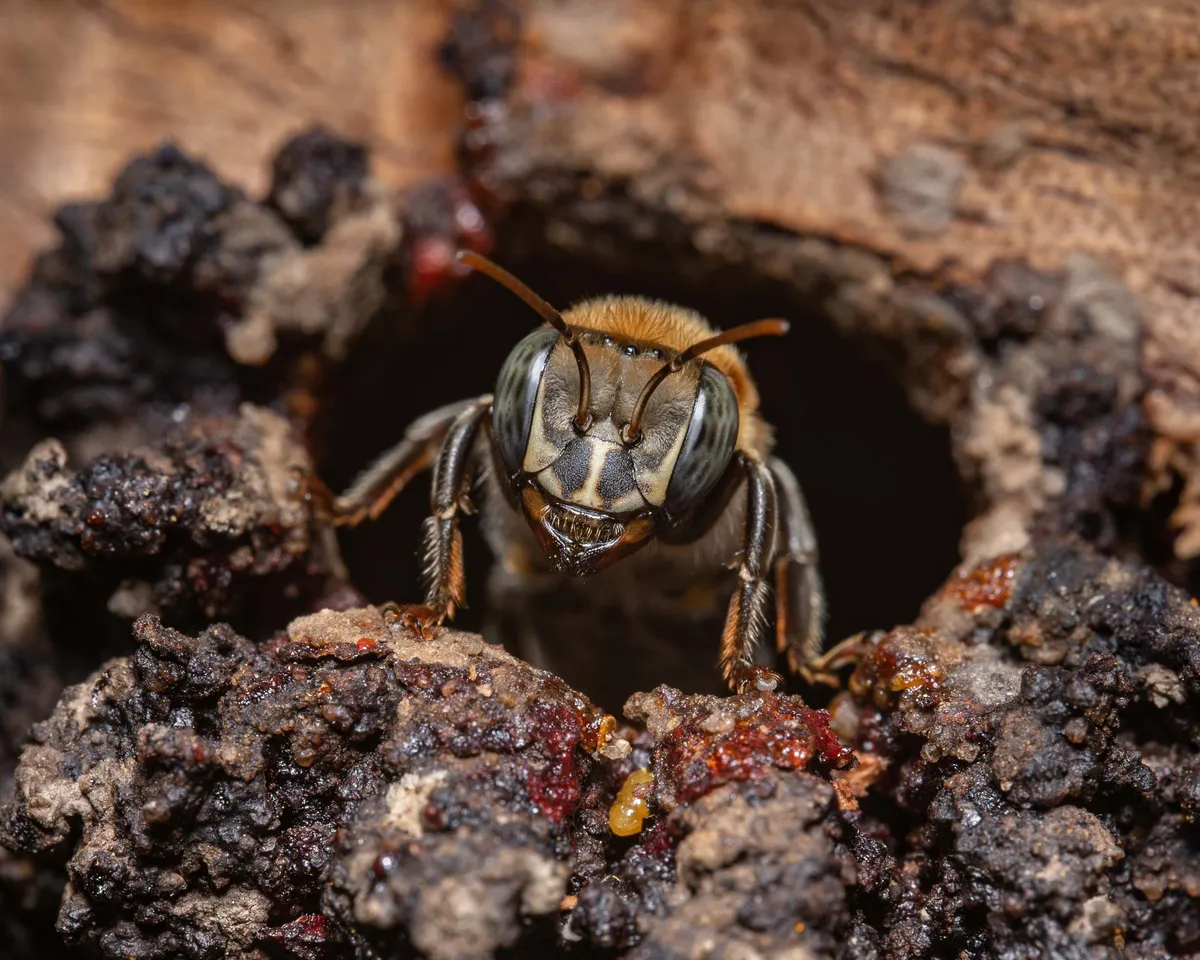
Local authorities in the Satipa and Naute provinces of Peru granted legal rights to stingless bees in October 2025 and January 2026.
This move makes these insects the first of their kind globally to receive such legal status. The declaration guarantees the bees a right to existence, a healthy environment, and legal representation. A coalition of environmental organizations, scientists, and indigenous communities initiated the project to combat the decline of these pollinators.
These bees face threats from deforestation, pesticide use, and climate change. Rosa Vásquez Espinoza, a chemist and biologist who founded Amazon Research Internacional, led the effort after noticing that these native species were unrecognized by Peruvian law. The bees play a critical role in maintaining the biodiversity of the Amazon rainforest by pollinating various plants. The Asháninka people, who have protected these bees for centuries, rely on them for food, medicine, and honey used in traditional treatments.
Under the new framework, environmental groups and indigenous representatives can now warn of rights violations in Peruvian courts. While the declaration establishes a legal foundation, authorities still need to create specific regulations to define what constitutes a violation and what penalties will apply for destroying habitats. Other municipalities in the Cusco region, including Pichari and Unión Ashaninka, have also adopted similar local regulations.
Organizations from 14 countries across six continents expressed interest in adopting this model to protect their own native bee species.
Selected and summarized by local AI How we work
Solutions: Technology, policy and initiatives already in use against a real problem, with results to show.