Greek archaeologists discover ancient stone structure in Alexandria
Headline and summary by local AI
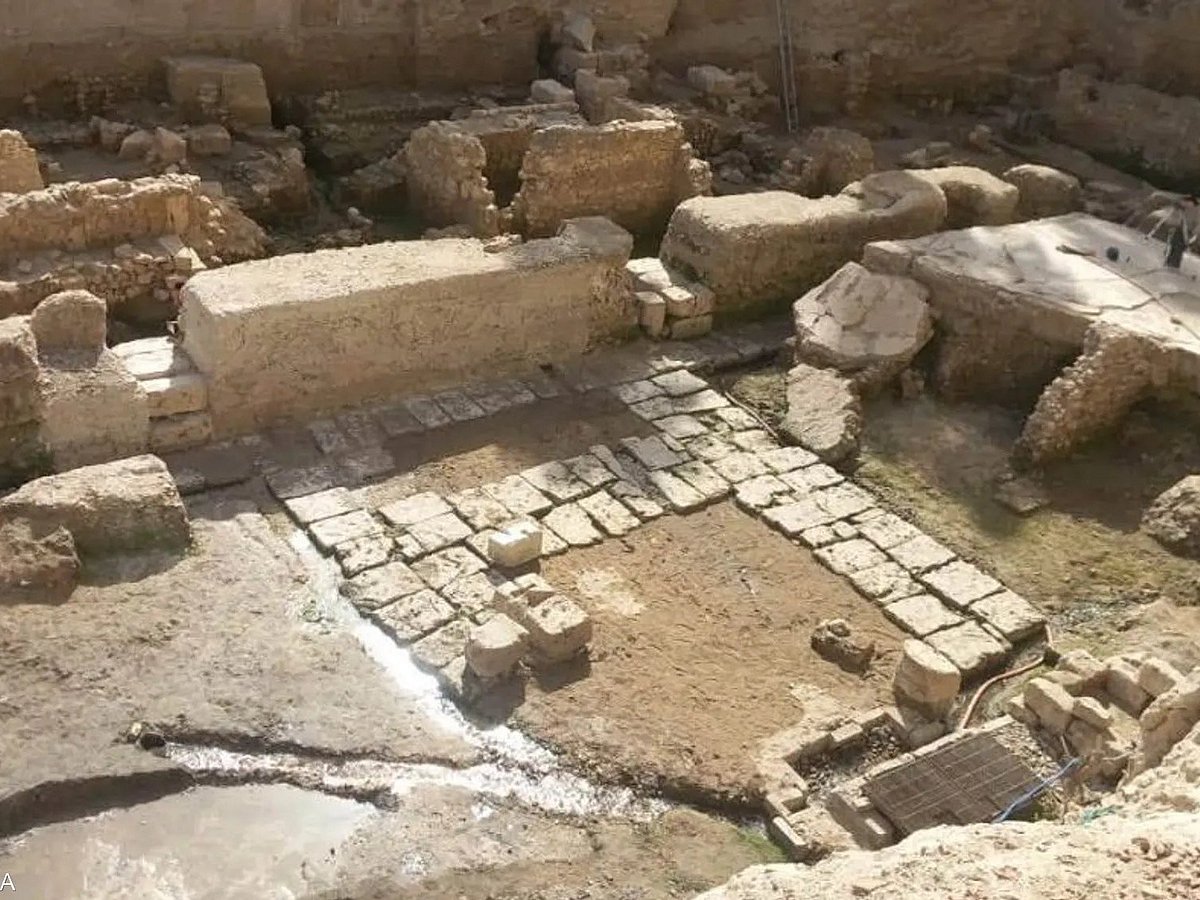
A Greek archaeological mission led by Dr Calliope Limneos-Papakosta uncovered the foundations of a large limestone building in the historic royal quarter of Alexandria, Egypt.
The team, which works with the Hellenic Research Institute of Alexandrian Civilisation, found the structure during excavations in the Shallalat Gardens area. The team has worked in this specific location for nearly 20 years to find remains of the ancient city and its royal district.
The current discovery includes walls surrounding the limestone building and a tunnel that extends northwards beneath the structure. A scientific committee suggests that this building may have served a funerary purpose. This finding could link to the royal burial complex of the Ptolemaic dynasty, which King Ptolemy IV Philopator established while ruling Egypt from 221 to 204 BC. The Ptolemaic dynasty ruled Egypt for nearly three centuries until Cleopatra VII died in 30 BC and Roman rule began.
Many parts of the ancient royal quarter are now hidden under modern buildings or lost to coastline changes. The Ministry of Tourism and Antiquities says the funerary purpose of the building is a preliminary interpretation that requires more scientific study. If confirmed, the site could help researchers identify the burial places of Egypt's Ptolemaic rulers.
Selected and summarized by local AI How we work