Satellite imaging reveals ancient complex under Egyptian ruins

Headline and summary by local AI
Scientists used satellite radar and electrical resistance analysis to discover a large structure buried deep beneath the ancient city of Buto, also known as Tell el-Fara, in Egypt.
The site is located in the northeastern part of the Nile Delta and has been inhabited since the predynastic period around 3800 BC. Researchers chose these methods because traditional excavation is difficult and expensive at this site.
The city has several layers of ruins, and the oldest sections are buried under heavy debris and groundwater. The new technology identified a distinct structure dating back to the Saite period, approximately 2,600 years ago. This complex sits between 3 and 6 meters underground. Further excavations in a 100 square meter area revealed mud brick walls and religious artifacts. At a depth of 6 to 7 meters, scientists found a thick layer of clean sand.
They believe builders of that era laid this sand down to create a foundation to distribute the weight of the buildings. The structure may be a large tomb or a sanctuary.
Selected and summarized by local AI How we work
Discovery: Archaeology, new knowledge of art, culture and history, forgotten history uncovered, something lost restored.
More in Discovery
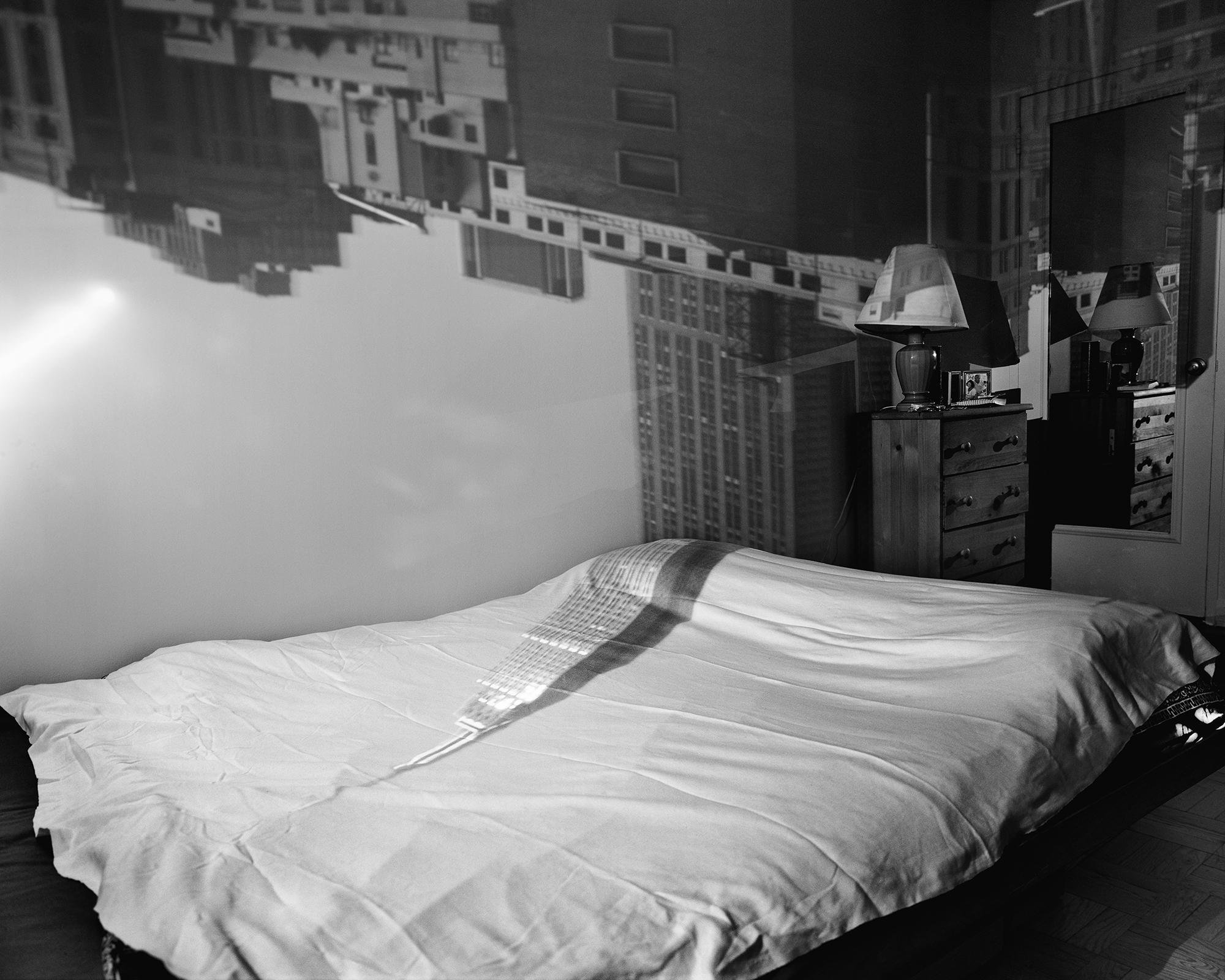
Camera obscura history roots photography in ancient human perception
aperture.org · 20 Nov 2026

Radio Romano Avazo launches podcasts to preserve romani culture in Kosovo
fr.globalvoices.org · 18 Nov 2026
Sāmoan Australian artist Angela Tiatia explores Pasifika identity at Newcastle Art Gallery
abc.net.au · 23 Nov 2026