Egypt seeks UNESCO recognition for “zar” ritual
Summary and headline written by AI from the source article. How we work
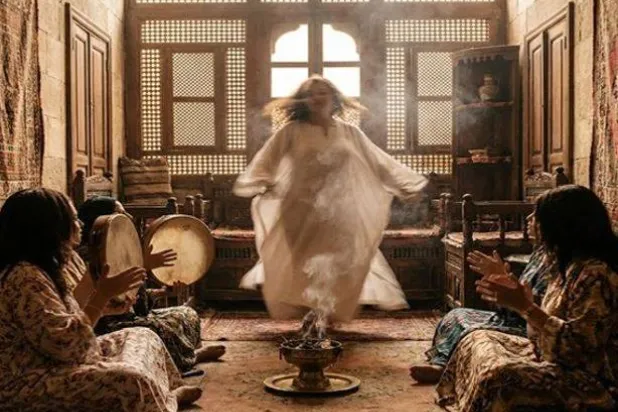
Researchers in Egypt are working to document “Zar,” a traditional healing ritual involving singing, music, and dance, to include it on UNESCO’s list of Intangible Cultural Heritage.
Dr. Dina Soliman, a specialist in Egyptian and Near Eastern archaeology at the University of Egypt for Science and Technology, presented research connecting “Zar” rituals to ancient Egyptian healing practices at a conference hosted by the Supreme Council of Culture in Egypt.
Soliman’s research explores how “Zar” may have evolved from similar musical and rhythmic practices used in ancient Egyptian religious and celebratory contexts. She argues that studying contemporary “Zar” in light of ancient Egyptian practices can reveal the origins and transformations of popular beliefs over time, pointing to the goddess Hathor, associated with music, dance, and drums, as a key figure in understanding these connections.
The researcher noted similarities between ancient Egyptian rituals and modern “Zar” practices, but emphasized the need to differentiate between superficial resemblances and actual historical continuity. She believes analyzing the ritual’s evolution helps understand how practices and beliefs change over time, and allows for a deeper understanding of Egyptian folklore and cultural memory.
Egypt has previously succeeded in registering 11 elements on UNESCO’s lists of intangible heritage, including the “Sirah Al-Hilali” epic and celebrations related to the Holy Family’s journey in Egypt.