AI cracks World War I code that stumped human decoders
Summary and headline written by AI from the source article. How we work
An artificial intelligence model, GPT-6 Astra, recently deciphered a World War I-era coded message that had remained unbroken for over a century.
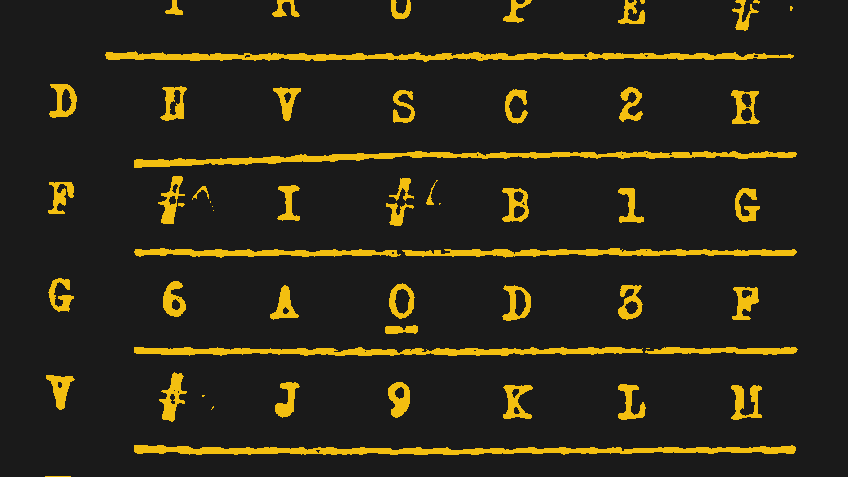
The code, known as ADFGVX, emerged in 1918 and used a complex system of grids and letter substitutions to conceal messages. Originally ADFGX, the cipher expanded to include numbers and a larger grid. Encoding involved replacing letters with row and column coordinates within the grid, then rearranging the resulting pairs based on a transposition key.
While French codebreakers successfully cracked the ADFGVX cipher in 1918, some intercepted messages remained indecipherable, including one sent on November 27, 1918. The AI’s recent work has revealed that this message contained the codeword TRUPPENVERSCHIEBUNG, a German key thought to have been implemented later that year. The decoded message, written in German, detailed the movements of a British ship, HMS Canterbury, near Sevastopol.
Researchers noted the accuracy of the decoded message, as the ship’s position aligned with the information contained within. Though humans like Georges Painvin managed to break the code using manual methods, the AI’s success demonstrates advancements in automated decryption.