Cezanne’s enduring impact explored in Paris exhibition
Summary and headline written by AI from the source article. How we work
This month, the Grand Palais in Paris opened “Cezanne and Us”, an exhibition organized by the Centre Pompidou, the Musée d’Orsay, and the Musée de l’Orangerie.
The collaboration occurred partly because the Centre Pompidou will close for five years for renovations. This is the first major Parisian exhibition of Paul Cezanne’s work since 1995, and curators chose the Grand Palais for its spaciousness and historic architecture.
The exhibition differs from a typical retrospective by focusing on how Cezanne influenced artists both during his lifetime and in subsequent generations. Pablo Picasso famously called Cezanne “the father of us all”, and the show presents 70 of Cezanne’s works alongside 75 by artists including André Derain, Joan Mitchell, and Kazimir Malevich.
Curators discovered that Cezanne received attention from contemporaries like Paul Gauguin and Émile Bernard while he was still alive, challenging the common belief that his influence began after 1907. The exhibition demonstrates Cezanne’s international reach, showing his work was exhibited in Berlin and Moscow as early as the late 19th and early 20th centuries. The curators arranged the exhibition both chronologically and thematically, exploring how artists responded to Cezanne’s landscapes, still lifes, and depictions of bathers.
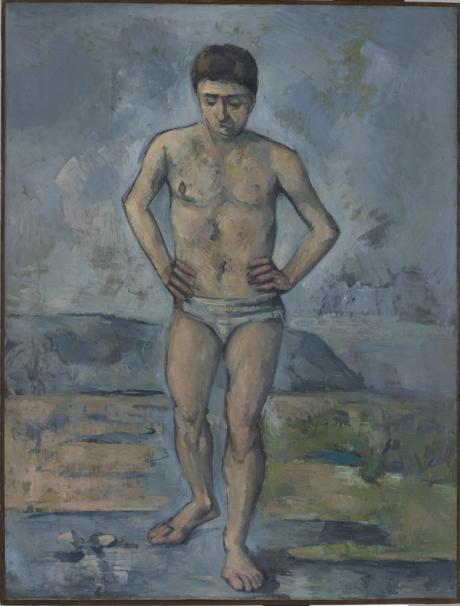
The show includes a loan from the Museum of Modern Art in New York, Cezanne’s The Bather, displayed with Peter Doig’s Bather from 2023, illustrating Cezanne’s continued presence in modern artists’ work. The exhibition will remain open until January 17, 2027.