Nigerian languages may vanish within generations
Summary and headline written by AI from the source article. How we work
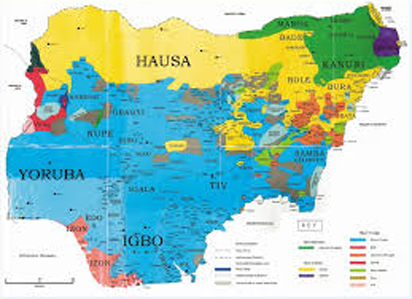
Linguists in Nigeria estimate that over 500 of the country’s indigenous languages could become severely endangered or extinct in the next 50 to 70 years.
Several factors contribute to this trend, including shifts in lifestyle and reduced communication between generations. Twelve-year-old Maimuna Egigogo, who lives in Kubwa, explained she understands Nupe but cannot speak it because her parents primarily use English with her, a change since she moved from Bida to Abuja.
Some parents choose not to teach their children indigenous languages, believing English will offer greater educational and social opportunities. Other parents, like Benjamin Mitu from Plateau, use English at home because they and their spouses speak different indigenous languages and want to avoid confusing their children. Conversely, Rebecca Ibrahim deliberately speaks her local dialect with her children and encourages visits with grandparents to maintain their language skills.
Experts warn that the loss of these languages threatens cultural identity, traditional knowledge, and community diversity. Professor Chinwe Anunobi, Chief Executive Officer of the National Library of Nigeria, highlighted this decline during the 2026 International Mother Tongue Day. Educationist Funmi Soyoye argued that learning indigenous languages does not hinder English proficiency, and can actually enhance communication and language skills by strengthening cognitive abilities.


