Senegal records 48 billion FCFA in digital Money transactions

Headline and summary by local AI
Senegal recorded 48,487 billion francs CFA in electronic money transactions during 2024, marking a major shift in the country's financial landscape.
The Central Bank of West African States (BCEAO) reported that the number of electronic money transactions grew by 34.73% between 2023 and 2024. This growth outpaced the 11.83% increase in new accounts opened during the same period. Small businesses and residents are increasingly using mobile applications like Wave to manage daily finances.
Mika Diol, an entrepreneur at KaliSpot, says these tools allow small merchants to collect payments and pay suppliers in seconds without handling physical cash. This transition helps small enterprises operate with the financial efficiency of larger companies. However, the rapid rise in transaction volume means that the total value of electronic money operations now exceeds the regional Gross Domestic Product. Economists note that while digital tools improve accessibility, they have not yet fully solved issues regarding credit and savings.
Mansa Oualy, an inclusive finance expert, says that electronic money is still mainly used for cash withdrawals and buying phone credit. Because these platforms do not yet provide rich enough credit signals, financial institutions struggle to offer large loans based on digital wallet data. Legal experts like Gouri Marc-Aurel Gbiguehi emphasize that while digital systems improve traceability for anti-money laundering efforts, the chain of tracking breaks once a user withdraws physical cash.
The government and the BCEAO have established rules requiring electronic money issuers to keep transaction data for ten years and maintain automated surveillance systems to monitor for fraud.
Selected and summarized by local AI How we work
Solutions: Technology, policy and initiatives already in use against a real problem, with results to show.
More in Solutions
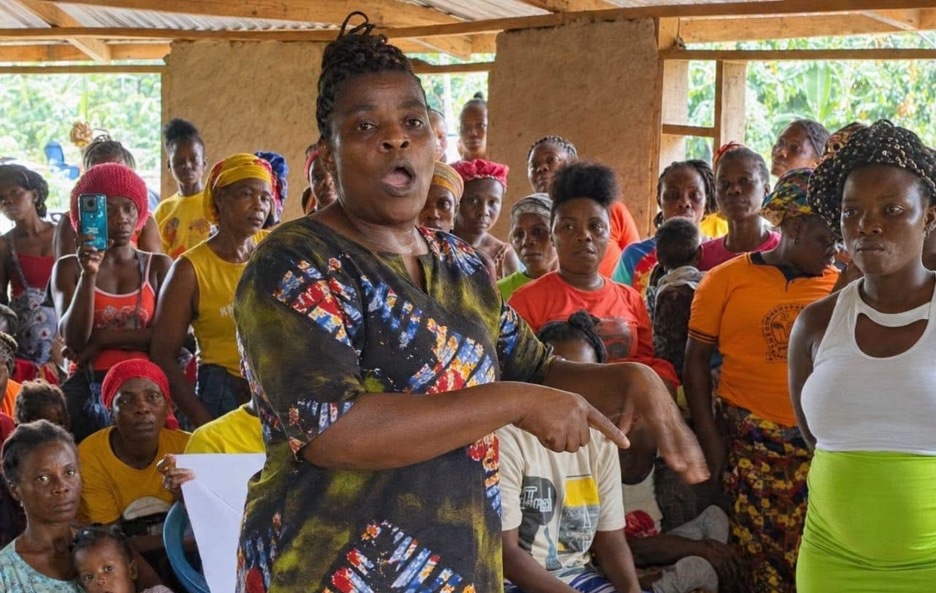
Liberia Women expand businesses with World Bank funded grants
liberianinvestigator.com · 23 Nov 2026

United Nations Population Fund provides mental health support to Afghan women
8am.media · 23 Nov 2026

Brussels government funds more mobility trips for people with reduced mobility
dhnet.be · 23 Nov 2026