Ghana becomes first African country to receive ART TREES carbon credits
Headline and summary by local AI
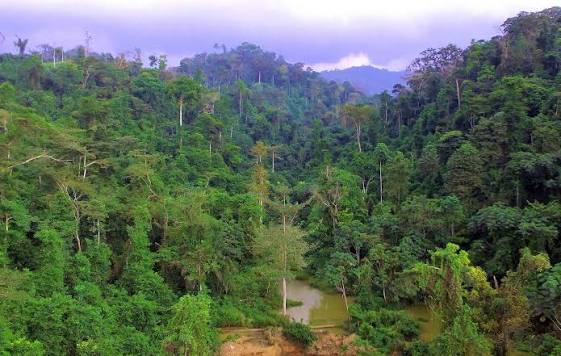
The Government of Ghana received 6.57 million carbon credits for reducing emissions caused by deforestation and forest degradation.
This issuance makes Ghana the first African nation to receive credits under the Architecture for REDD+ Transactions (ART) programme. The credits cover forest protection across roughly 2.5 million hectares of land between 2017 and 2021. The government expects to earn about US$43 million from selling some of these credits.
These funds are intended to support forest protection and provide resources for farmers and local communities whose livelihoods depend on forest resources. The credits also carry the Core Carbon Principles (CCP) Approved label, a quality mark from the Integrity Council for the Voluntary Carbon Market that verifies how credits are measured, tracked, and governed.
To qualify for the credits, the Forestry Commission of Ghana used digital tools supported by the Food and Agriculture Organization of the United Nations (FAO) to monitor and report forest changes. While the country reported 11.9 million tonnes of carbon dioxide equivalent in reductions, the ART programme issued 6.57 million credits after an assessment and verification process. The government plans to share the revenue with local stakeholders.
Under the Cocoa Forest REDD+ Programme, 69 per cent of emissions-reduction payments go to local farmer groups, traditional authorities, and communities. Local leaders say the money will help develop agroforestry to improve cocoa yields and fund community services like schools, health facilities, and water boreholes.
Selected and summarized by local AI How we work
More in Solutions
Farmers and organizations form pact for sustainable agriculture in northern Netherlands
nieuweoogst.nl · 14 Nov 2026

Argentina's PAMI regulates artificial intelligence use for public services
perfil.com · 20 Nov 2026
Niger government builds solar powered wells to boost farming in Dosso
lesahel.org · 23 Nov 2026