Niger prison farm provides vocational training and income for detainees
Headline and summary by local AI
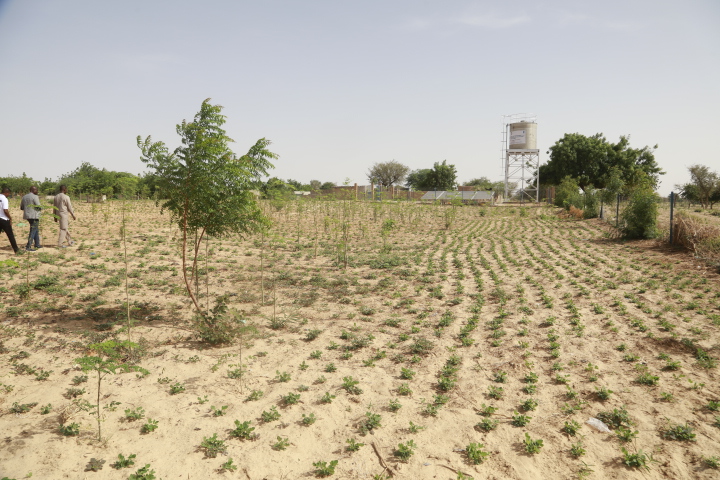
The Mayahi detention center in northwestern Niger operates a 2-hectare market garden to provide vocational training and food for inmates.
Men at the facility work on the agricultural site to learn farming techniques while women learn sewing, knitting, and liquid soap production in a dedicated women's center. The initiative aims to improve living conditions and prepare detainees for social reintegration after they leave prison. The prison management established the irrigation system and infrastructure in 2023.
The United Kingdom funded the construction of two water towers to support the site. The facility also includes 14 water basins, two of which are used for fish farming, and a composting area. During the rainy season, inmates grow peanuts, maize, and cassava. In the dry season, they focus on crops like tomatoes, peppers, eggplants, carrots, and potatoes. The prison uses the farm to lower food costs and generate revenue by selling surplus produce in local markets.
Detainees work in four organized groups, including supervisors, irrigation workers, harvesters, and a group of learners consisting of minors and young adults between 18 and 25 years old. Workers receive protective gear such as boots, gloves, and cold-weather clothing. The farm generated 1,685,000 FCFA during the 2026 campaign. The administration distributed 1,023,000 FCFA of that amount to the inmates as rewards for their work.
The facility plans to acquire a 10-hectare plot of land to expand into large-scale agriculture, poultry, fish farming, and dairy production.
Selected and summarized by local AI How we work
Belonging: Community bonds, rootedness, and living cultural practices and heritage.


