Niger accredits nine university programs for quality
Summary and headline written by AI from the source article. How we work
In Niger, the National Agency for Quality Assurance in Higher Education (ANAQ-SUP) recently accredited nine university programs following evaluations in 2025.
The agency assessed 42 programs, granting accreditation to three master’s programs and six bachelor’s programs. ANAQ-SUP uses objective criteria aligned with international best practices, requiring programs to achieve scores of 80% or 65% to receive full or provisional accreditation lasting five or three years, respectively.
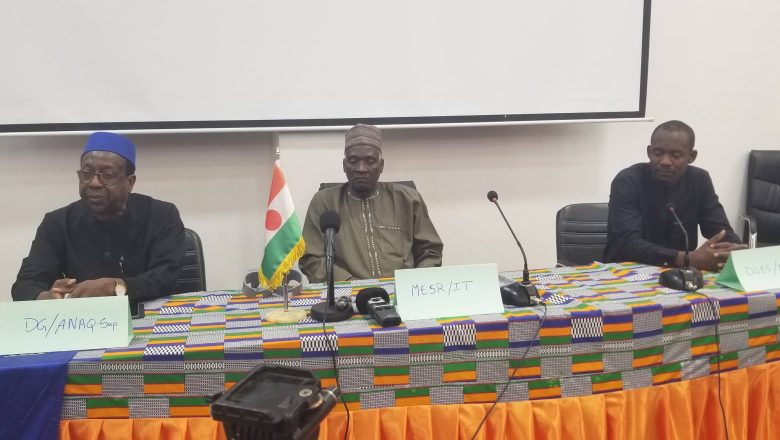
Programs that did not initially receive accreditation will participate in a remediation plan, and will be re-evaluated after making improvements. Professor Amadou Boureima, director general of ANAQ-SUP, explained that accreditation serves as a tool for continuous improvement within the higher education system. The agency evaluates programs based on factors like teaching quality, relevance to socio-economic needs, teacher qualifications, infrastructure, and internal quality assurance measures.
Minister of Higher Education, Professor Mamadou Saidou, emphasized the importance of aligning curricula with the demands of the job market. He stated that the accreditation process supports the national goal of improving the quality of education and developing programs that address Niger’s socio-economic challenges, as directed by the head of state, General Abdourahamane Tiani.
Thirteen institutions across six regions of the country received accreditation certificates, and the University of Diffa was also honored with a Peace Prize from Abuja, Nigeria, for its work promoting dialogue and conflict prevention.