Japan uses private contractors to monitor illegal parking on public roads
Headline and summary by local AI
Japanese authorities use a combination of strict registration laws and private monitoring services to keep city streets clear of illegally parked cars.
In high-density areas like Tokyo, where the population reaches over 15,800 people per square kilometer in some central wards, limited land makes finding parking difficult. To manage this, the government requires car owners to prove they have a dedicated parking space before they can register a vehicle.
The Parking Guarantee Law requires owners to show a designated spot within 2 km of their home that has sufficient space and proper access. Owners must provide ownership papers or lease contracts to receive a certificate from the police. Additionally, the law prohibits using public roads for long-term storage. Vehicles cannot remain in the same spot for more than 12 hours during the day or 8 hours at night, even if there are no signs prohibiting parking.
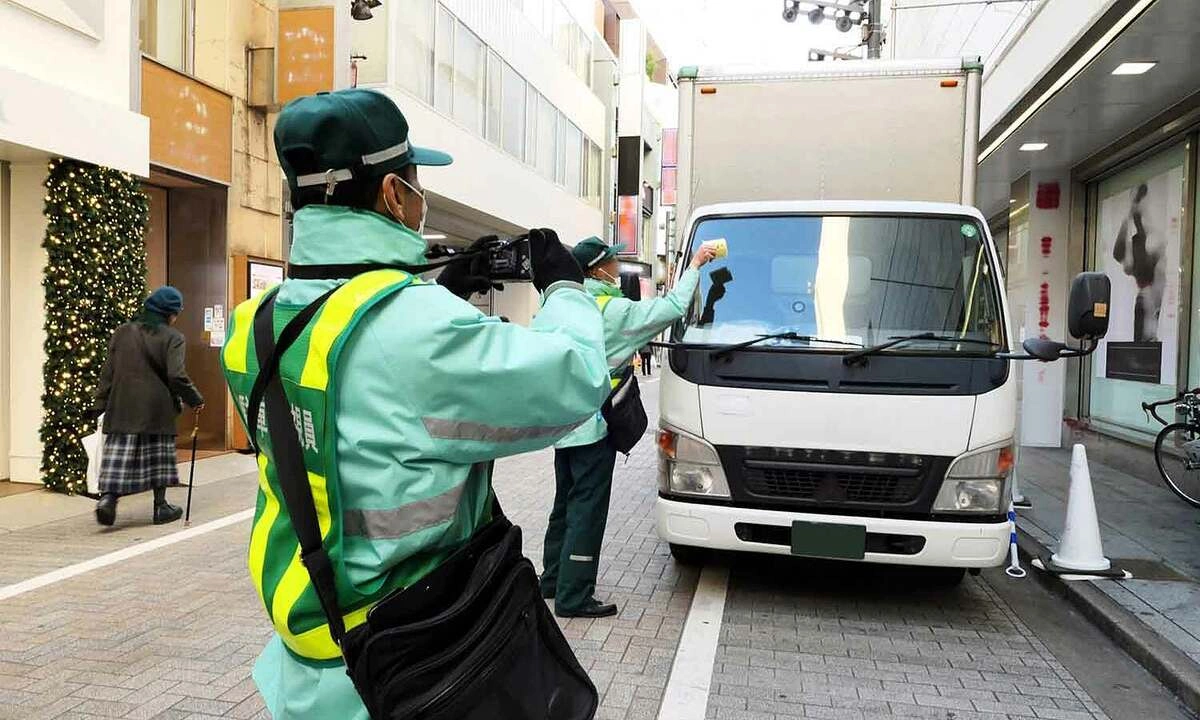
Since June 2006, the government has hired private companies to provide parking monitoring staff. These workers are not police officers but must pass specific training and exams to receive certification. They patrol routes and timeframes set by the police to identify cars left without a driver. These monitors take photos and record license plates before placing a notice on the vehicle and sending the data to the police.
While these workers cannot issue fines or tow cars, the police can penalize owners who fail to resolve the issue at a station. Initial reforms saw a nearly 60% reduction in illegal parking on surveyed roads. While the number of processed abandoned vehicles dropped from over 1 million in 2020 to 763,353 in 2025, the rate of decline has slowed to less than 1% recently.
Selected and summarized by local AI How we work