Vietnam creates largest white-cheeked macaque reserve
Summary and headline written by AI from the source article. How we work
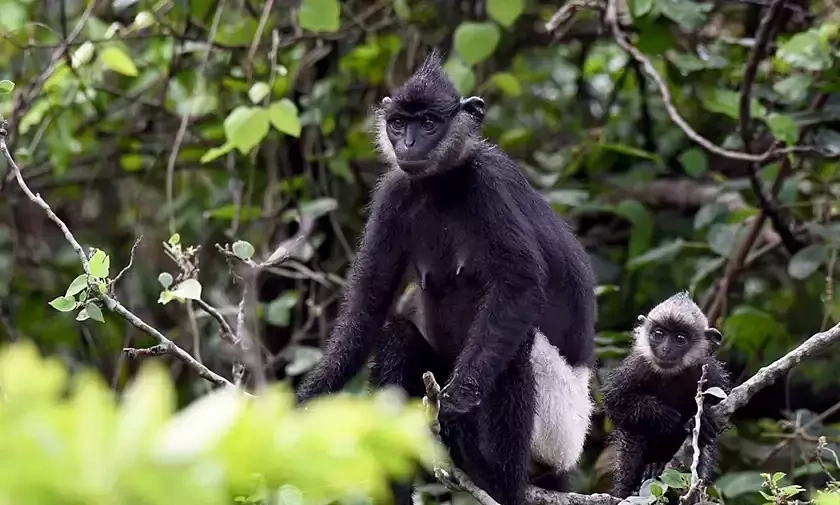
Officials in Ninh Bình Province, Vietnam established the Kim Bang white-cheeked macaque species and habitat conservation area, covering nearly 3,200 hectares.
The new reserve primarily consists of natural forest on limestone mountains and aims to protect the endangered primate species native to the region. The area includes sections for strict protection, ecological restoration, and administrative services, with management delegated to the Ninh Bình Forest Protection and Special-Use Forest Management Board.
The creation of this reserve intends to preserve natural forests, protect important ecosystems, and restore habitats, specifically for the white-cheeked macaque population. Management activities will focus on forest protection, fire prevention, biodiversity monitoring, and tracking wildlife. This development coincides with Ninh Bình province’s efforts to nominate the Van Long - Kim Bang - Tam Chuc landscape for inclusion on the UNESCO World Heritage list.
Experts at an international conference in July recognised the area’s value for its tropical karst geology, biodiversity, archaeology, history, and culture, with the macaque population being a key part of its biodiversity. Researchers continue to study the area’s characteristics and boundaries. The white-cheeked macaque once lived in many areas of northern and north-central Vietnam, but its numbers have drastically declined due to hunting and habitat loss.
Currently, around 400 macaques live in the Van Long - Kim Bang - Tam Chuc area, representing over 90% of the remaining population in the wild. The new reserve at Kim Bang expands the protected space alongside the existing Van Long wetland nature reserve, building on two decades of conservation work that increased the Van Long macaque population from around 40 to 250-300 individuals.
In the future, the Kim Bang reserve will support scientific research, environmental education, and ecotourism linked to biodiversity conservation.