Hanoi concerts emerge from early 20th century roots
Summary and headline written by AI from the source article. How we work
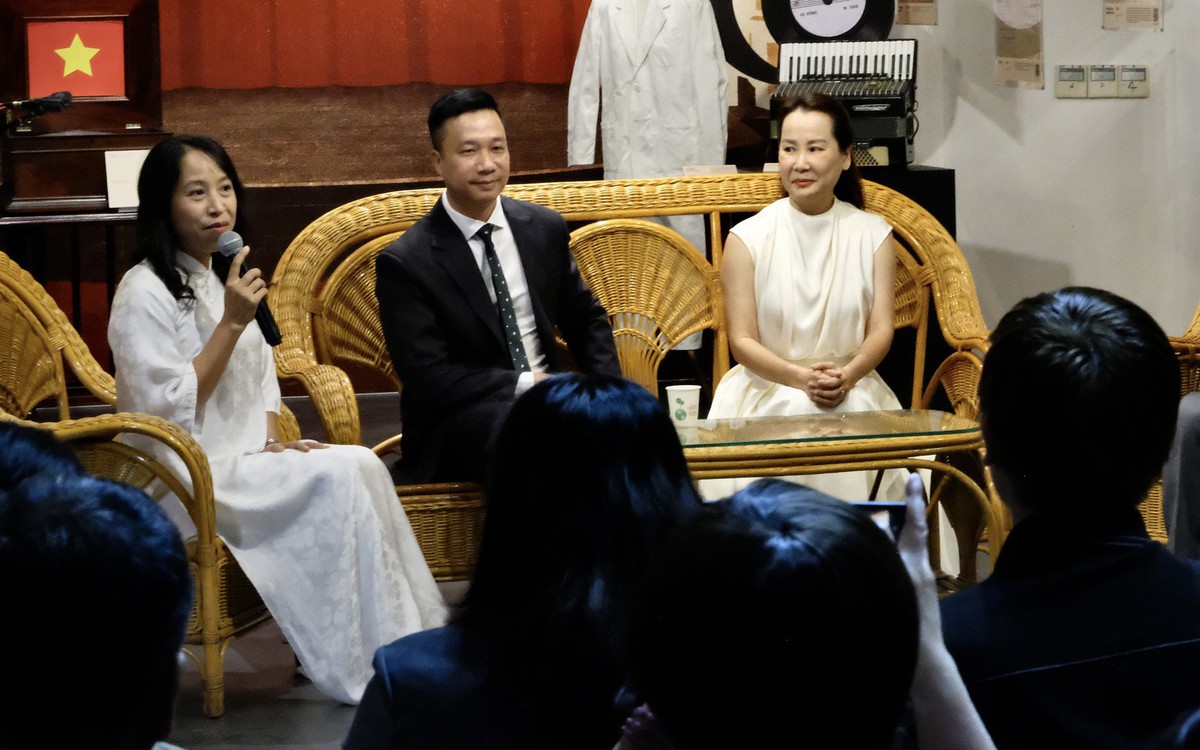
Researchers in Hanoi, Vietnam, discussed the history of concerts in the city, tracing their origins to the period between 1934 and 1954.
During the early days of Vietnamese modern music (tân nhạc), performances weren't initially structured as concerts. The development of sound equipment and musical ensembles paved the way for more independent and professional performances.
The period of 1948-1953 saw the rise of the Việt Nhạc band of Hanoi Radio, composed of talented musicians with experience in bars and dance halls. Simultaneously, venues like Tân Nghệ sĩ near Hoan Kiem Lake and the Thien Thai and Thang Long cafes became the first locations for modern musical performances on weekend evenings, establishing thriving cultural centers.
Musicians like Tran Van Nhon and Nguyen Thien To contributed to the spread of music via Hanoi Radio, allowing bands to play for 30 to 60 minutes. By 1954, the music scene flourished with the Đại Đồng theater, purchased by musician Đoàn Chuẩn, becoming a hub for singers like Ngọc Bảo and Anh Tuấn. Musicologist Nguyễn Trương Quý noted that early musicians laid an important foundation for Vietnamese music, self-teaching techniques from Western music and adopting a five-line staff notation.
These composers created songs that expressed the sadness of the era with beauty and hope, influencing future generations.