A filmmaker documents the toll of long term family caregiving
Headline and summary by local AI
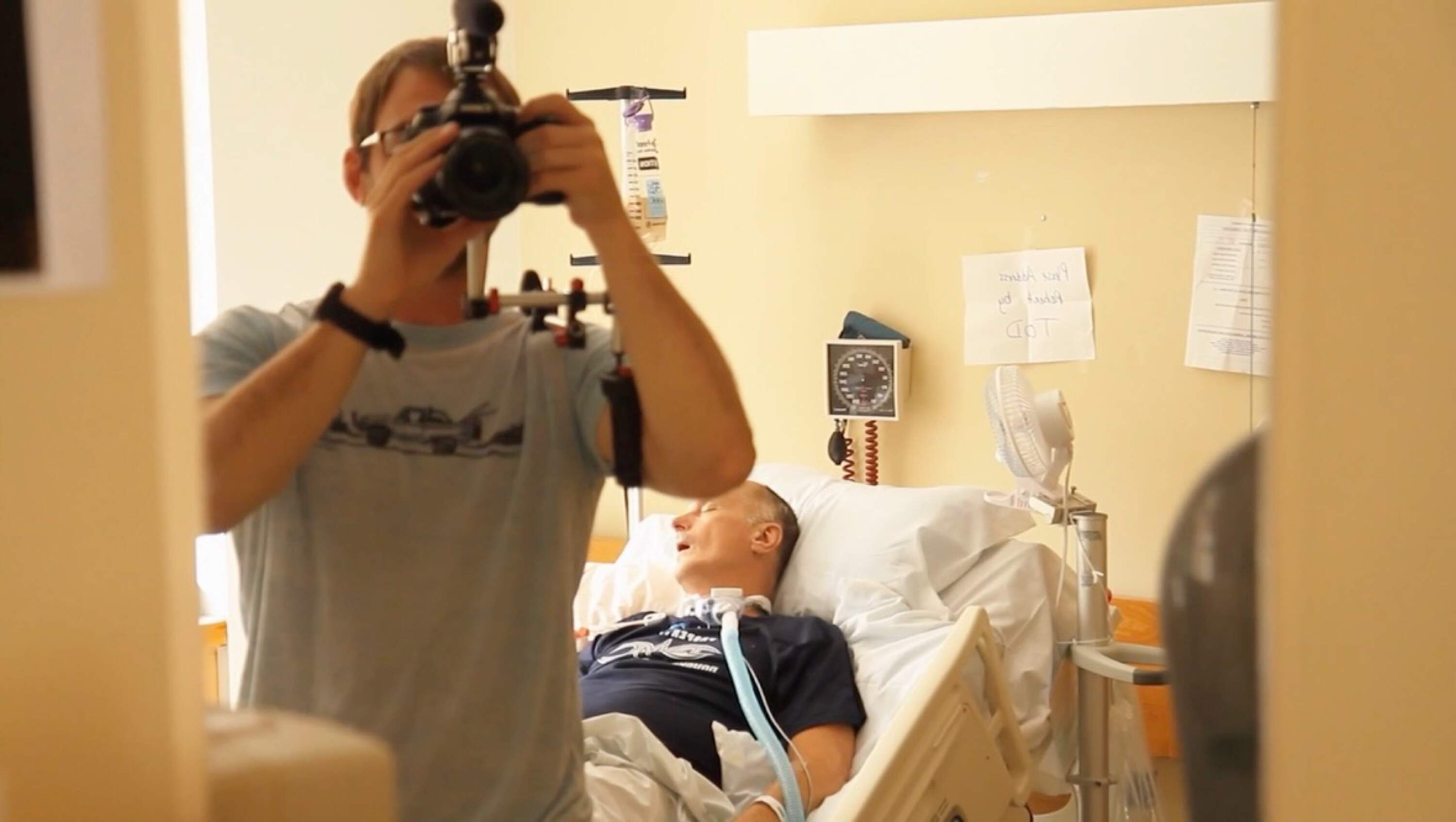
A filmmaker in Boston, Massachusetts, documented his family's experience caring for his father after the man suffered a traumatic brain injury 15 years ago.
The filmmaker used a 16 terabyte hard drive to archive thousands of hours of footage showing his father in a coma at age 60 and his subsequent journey to relearn basic skills like walking and eating.
This archive eventually became the raw material for his documentary film, "The House We Lived In." The filmmaker admitted that the process of creating the film nearly led to his own burnout. He worked on the project for up to 14 hours a day, seven days a week, until a therapist intervened and required him to stop working on the film entirely for one month.
He eventually returned to the project by limiting his work to 15 minutes a day to protect his mental health. Through his work with Careforth, the filmmaker traveled across the United States to visit other families providing home care. He observed that many caregivers struggle to prioritize their own needs because the urgent requirements of a loved one often make their own needs feel negotiable.
He argues that society often romanticizes the sacrifice of caregivers as heroism while ignoring the physical and psychological costs they absorb.
Selected and summarized by local AI How we work
More in Belonging

Descendants of Hubert Garbit renovate public stairs in Madagascar
lexpress.mg · 16 Nov 2026

Women in Lombok Timur face market fluctuations while processing shrimp paste
mongabay.co.id · 21 Nov 2026
A stroke survivor finds new purpose as a companion carer for seniors
businessinsider.com · 19 Nov 2026