Alaska communities face rising landslide danger
Summary and headline written by AI from the source article. How we work
Across Southeast Alaska, residents are confronting the increasing threat of landslides, intensified by climate change and unstable terrain.
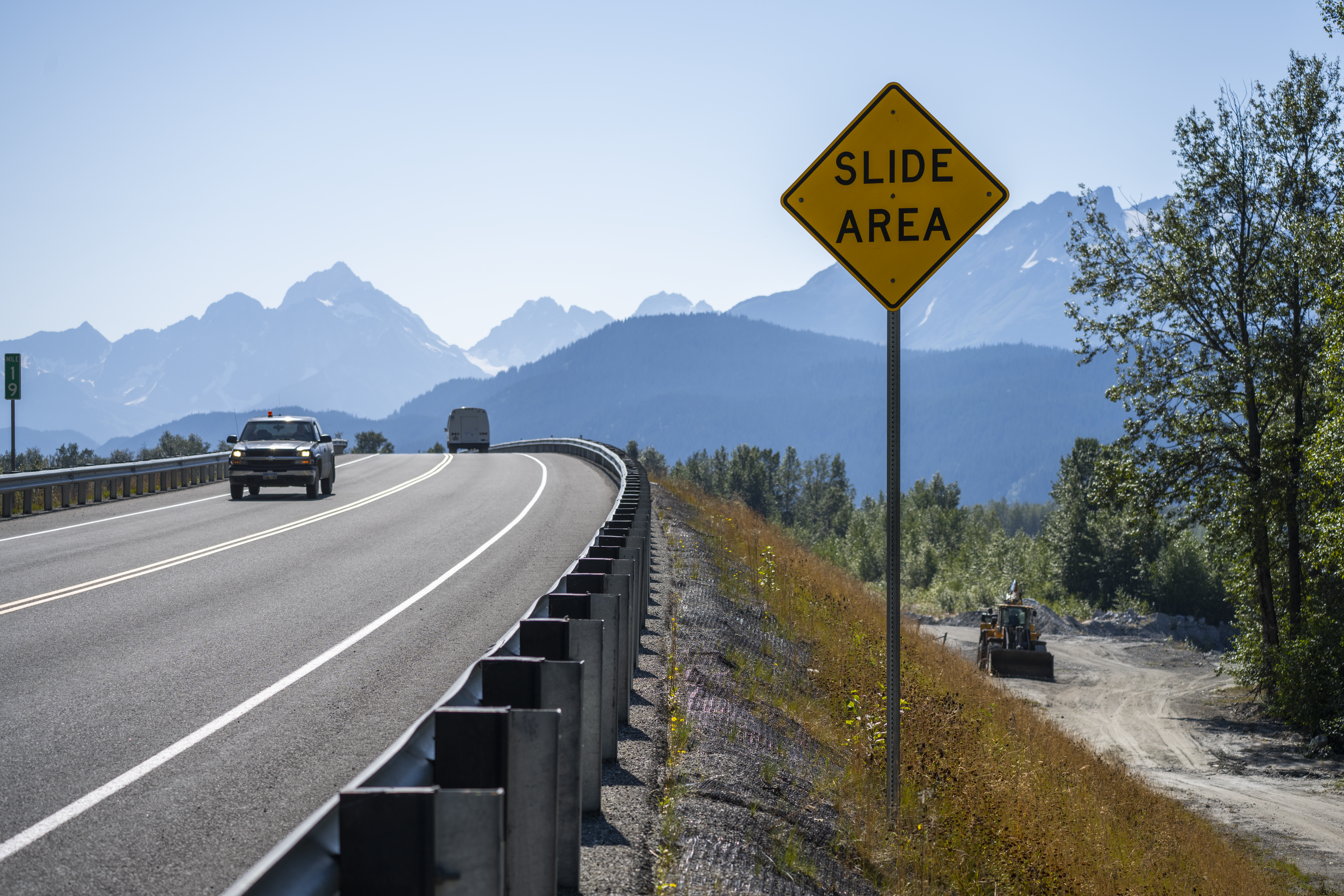
Almost six years after a landslide in Haines, Alaska, killed two people, the town still visibly bears the mark of the disaster. Patty Brown, a volunteer EMT and member of the Haines Borough Planning Commission, noted the lack of rainfall gauges in the area and emphasized that gravity and topography are unchangeable factors in landslide risk.
Landslides have caused at least a dozen deaths in Southeast Alaska since 2015, impacting communities like Sitka, Wrangell, and Ketchikan. Geologist Josh Roering of the University of Oregon explained that Alaska’s steep slopes, exposure to storms, and thawing permafrost all contribute to the problem, with climate change increasing moisture levels and weakening bedrock. Researchers are working to develop an early warning system using seismometers to detect ground vibrations, potentially giving residents minutes to evacuate.
The people of Klukwan, a village of under 100, have long lived with the risk of landslides, ingrained in their history and traditions. They are actively working to build climate resilience through a resilience plan, a new weather station, and participation in a regional geohazards project. While the government invests in infrastructure to mitigate damage, homeowners face difficulties finding insurance coverage for landslide damage, and communities are hesitant to formally adopt high-risk maps due to concerns about property values.