Victorian critics attacked pie as a moral threat to American society
Headline and summary by local AI
Food historian Susan Benjamin researched how the public perception of pie shifted from a source of moral panic to a beloved American staple in New England.
During the mid to late 19th century, a health reform movement in America labeled pie as a dangerous food. Critics like John Harvey Kellogg argued that the rich pastry caused physical and mental decay, leading to sexual deviancy, stupidity, and addiction.
These critics claimed that pie consumption produced unproductive citizens who could not sustain American progress. British author Rudyard Kipling also criticized the region, calling New England the great pie belt and questioning the moral condition of people who ate pie for every meal. Despite these attacks, many people in the Northeast continued to consume various types of pies, including meat and savory varieties. Working-class people relied on pies as inexpensive, portable meals that could contain leftovers.
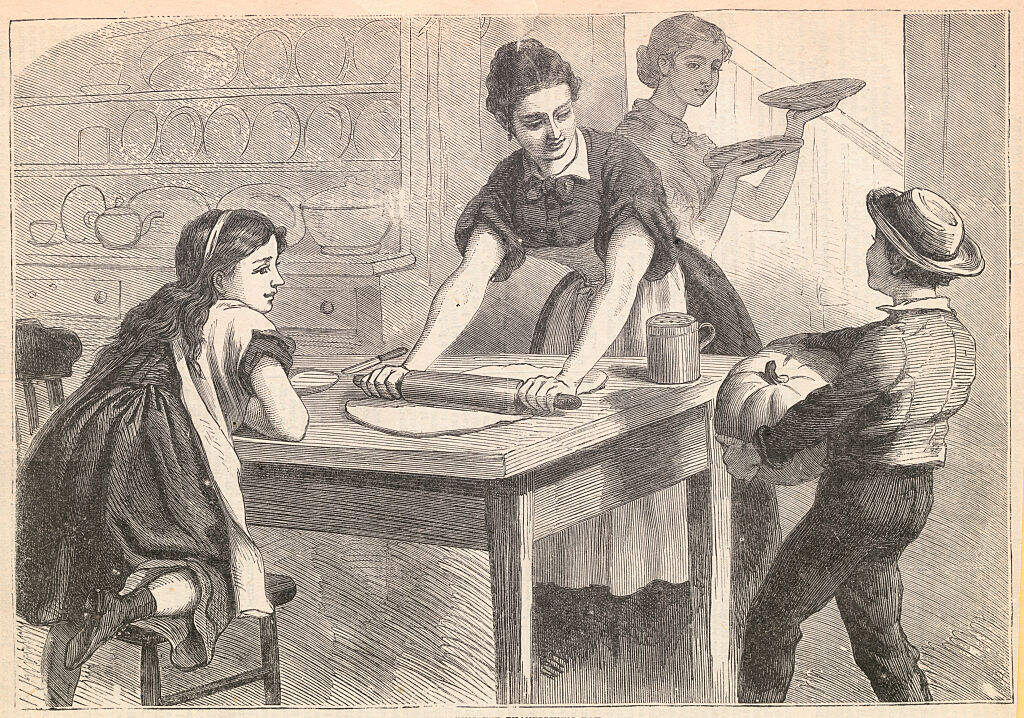
While some factories produced hundreds of pounds of pie daily for hotels and restaurants, women also baked pies at home to feed their families. Industrial laborers and union patrons defended their choice by demanding thick, butter or lard based crusts for their quick lunches. Bostonians eventually defended their culinary habits by pointing to famous American figures like Ralph Waldo Emerson and Benjamin Franklin, who also enjoyed pie. By 1908, the Boston Globe described pie as a national institution.
The controversy largely ended during World War I when Americans sent large quantities of pie to soldiers in Europe. This shift helped solidify pie as a permanent part of the American landscape.
Selected and summarized by local AI How we work