Train near Magdeburg reveals Holocaust survivors’ rescue
Summary and headline written by AI from the source article. How we work
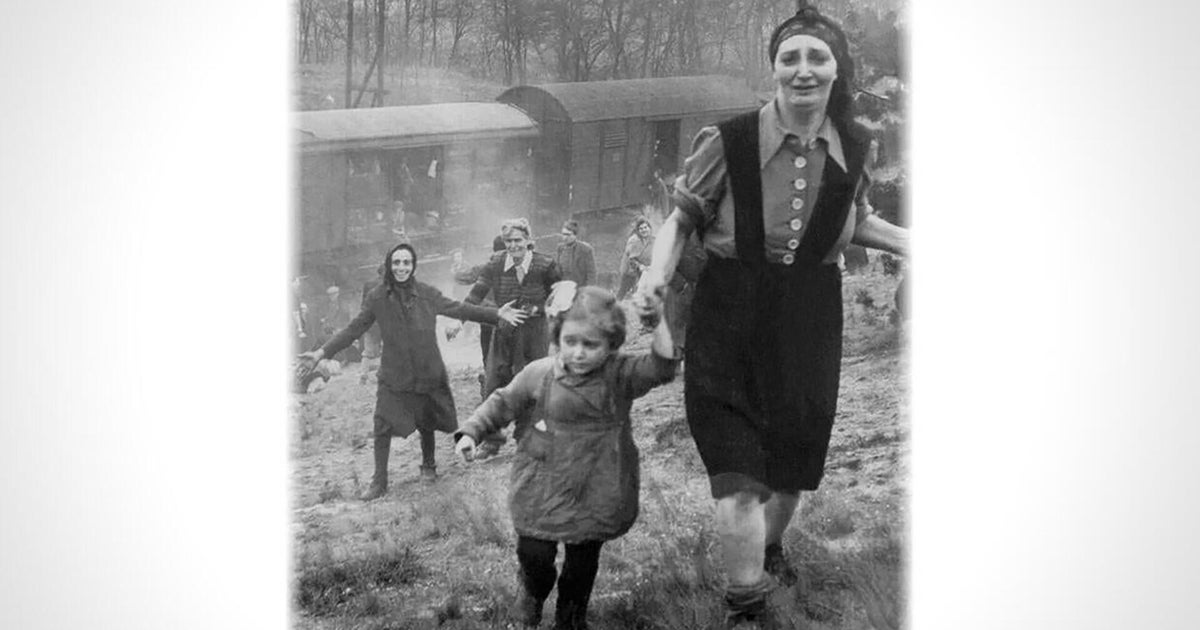
Elizabeth Connolly discovered photos in her father’s belongings that led to the story of a train carrying 2,500 Jewish prisoners liberated by U.S. Army soldiers near Magdeburg, Germany, in April 1945.
As a child, Connolly noticed unfamiliar faces in photographs her father, Carrol Walsh, a U.S. Army sergeant, kept in a dresser drawer. Walsh had briefly described the people as those he “came upon in a train,” but offered no further details.
Years later, Connolly mentioned the photos during an interview her son’s teacher, Matt Rozell, conducted with Walsh for an oral history project. Walsh then explained he encountered the train full of Holocaust survivors while serving in Germany during the final weeks of the war.
Rozell, initially unaware of the story’s historical significance, began researching the event and eventually wrote the book “A Train Near Magdeburg.” Rozell’s work connected survivors like Peter Lantos, who was five years old at the time and traveling with his mother, to the American soldiers who liberated them. Lantos recounted the horrific conditions at Bergen-Belsen concentration camp, where his father died, and the relief he felt when the Americans arrived.
Historians like James Bulgin at the Imperial War Museum in London emphasize the dire situation of the prisoners and the fortunate circumstances that led to their rescue, noting the Nazis planned to kill them if they couldn’t reach their destination. Filmmaker Mike Edwards is also creating a documentary about the train, highlighting the story as a lesson in humanity and the importance of choosing compassion.