Adapting work schedules to rising extreme heat
Summary and headline written by AI from the source article. How we work
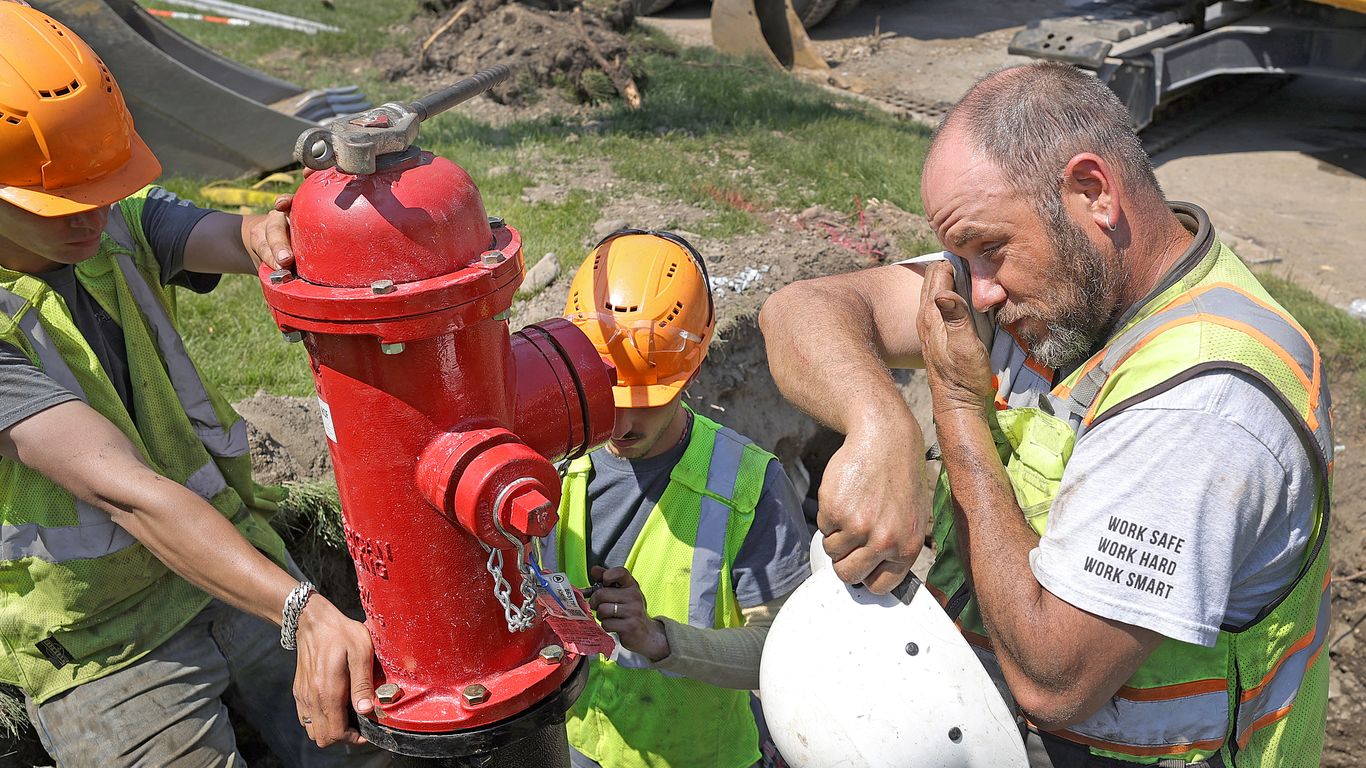
Across the United States, schools, sports teams, and employers are changing schedules to protect people from increasingly dangerous afternoon heat.
The federal Occupational Safety and Health Administration advises companies facing high temperatures to move work to cooler parts of the day, shorten shifts, or rotate workers. California is linking worker protection with improvements to cooling access and the energy grid, while Oregon’s heat-illness prevention rule requires water, shade, and rest breaks when the heat index reaches 80°F.
From 2022 to 2025, Oregon OSHA carried out 3,104 inspections related to heat safety and issued $652,640 in initial penalties after finding violations in 408 cases. In Texas, schools are adjusting sports practice times to earlier or later hours to avoid peak heat, but this extends the workday for coaches and staff. Experts note that simply shifting schedules has limits, as cooling systems become essential for safety but can strain the electricity grid during heat waves.
Researchers at Arizona State University have found that rest and self-pacing can help workers manage heat stress, though reducing work intensity or hours can impact productivity. As the number of extremely hot hours increases due to climate change, finding safe times for outdoor activity and labor will become more challenging.