Supreme Court ruling threatens to return rehabilitated prisoners to jail
Headline and summary by local AI
The Supreme Court ruled that federal judges lack the authority to reduce mandatory minimum sentences based on sentencing disparities, a decision that threatens the freedom of several men who have already been released.
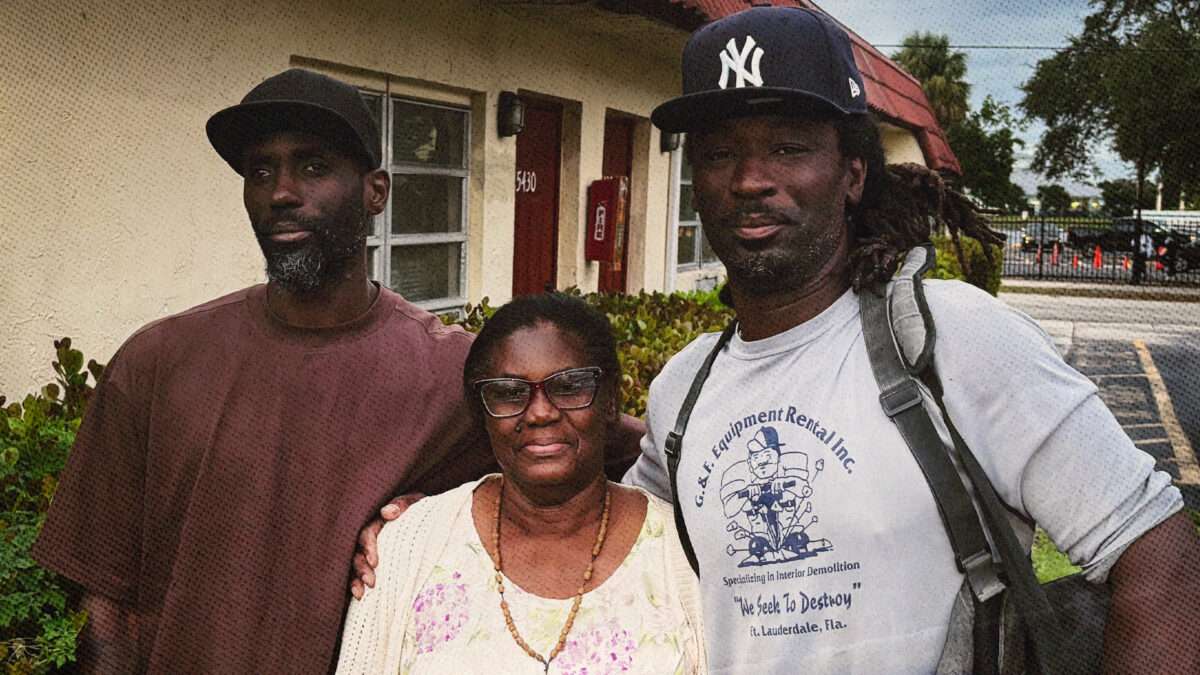
Richard Daniel, a 44-year-old man from Miami, Florida, was released from federal prison in 2024 after serving 22 years of a 60-year sentence. Daniel successfully rebuilt his life after his release by securing a construction job, renting an apartment, and supporting his elderly mother.
However, the Supreme Court's recent ruling reverses the legal pathway that allowed judges to shorten these specific types of long sentences. This decision means that federal appeals courts are now beginning to order the return of individuals who were granted relief under the First Step Act. The U.S. Court of Appeals for the 11th Circuit recently ordered a lower court to reinstate a life sentence for Rodney Taylor, who had already served 21 years and was released in 2025.
Shanna Rifkin, general counsel for the criminal justice reform group FAMM, says her organization has identified 13 people, including Daniel and Taylor, who face the prospect of returning to prison. These men have already reconnected with families, started new jobs, and in some cases, bought homes or were elected to positions in their churches. Daniel received his original 60-year sentence because prosecutors stacked multiple gun charges under a single indictment, a practice that allowed for consecutive mandatory minimums.
While Congress later changed the law to prevent such stacking, the changes were not retroactive. Because the Supreme Court ruled that these disparities do not count as an extraordinary reason for compassionate release, these men now face a looming return to prison unless the White House intervenes to commute their sentences.
Selected and summarized by local AI How we work