Archaeologists find rare Roman burial of an infant in a pottery jar
Headline and summary by local AI
Archaeologists from Cotswold Archaeology discovered nine burials in a Roman settlement in Wendover, England, during work for a new cricket ground.
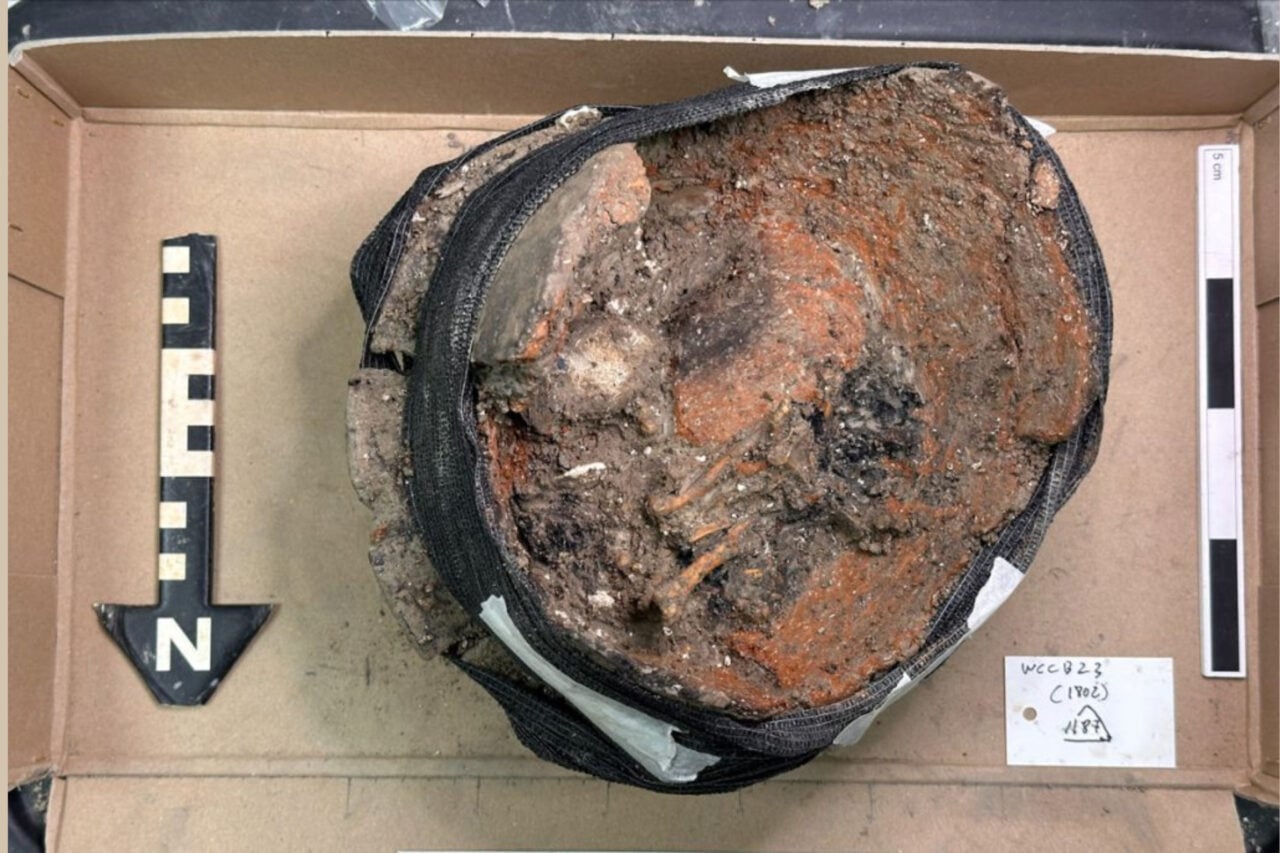
The site contained four cremation burials of adults and five inhumation burials of infants and young children. The team found a unique burial where the remains of a nine-month-old child sat inside a pottery vessel buried upside-down. A mature hen and a songbird were positioned at the entrance of the jar, meaning the child was placed above the animals.
This specific method of burying an infant in a vessel is common in the Mediterranean but is an extremely rare find in Britain. Researchers suggest the parents may have been immigrants from the Mediterranean, and the vessel might have symbolized a womb. The discovery dates to between 131 and 346 CE based on radiocarbon dating. Experts believe the presence of chickens, which were considered luxury foods in Roman times, may represent food for the deceased or votive offerings.
The proximity of the infant graves to corn dryers suggests a possible link between agricultural rituals and fertility.
Selected and summarized by local AI How we work