Parthenon’s famous optical illusions may be myths
Summary and headline written by AI from the source article. How we work
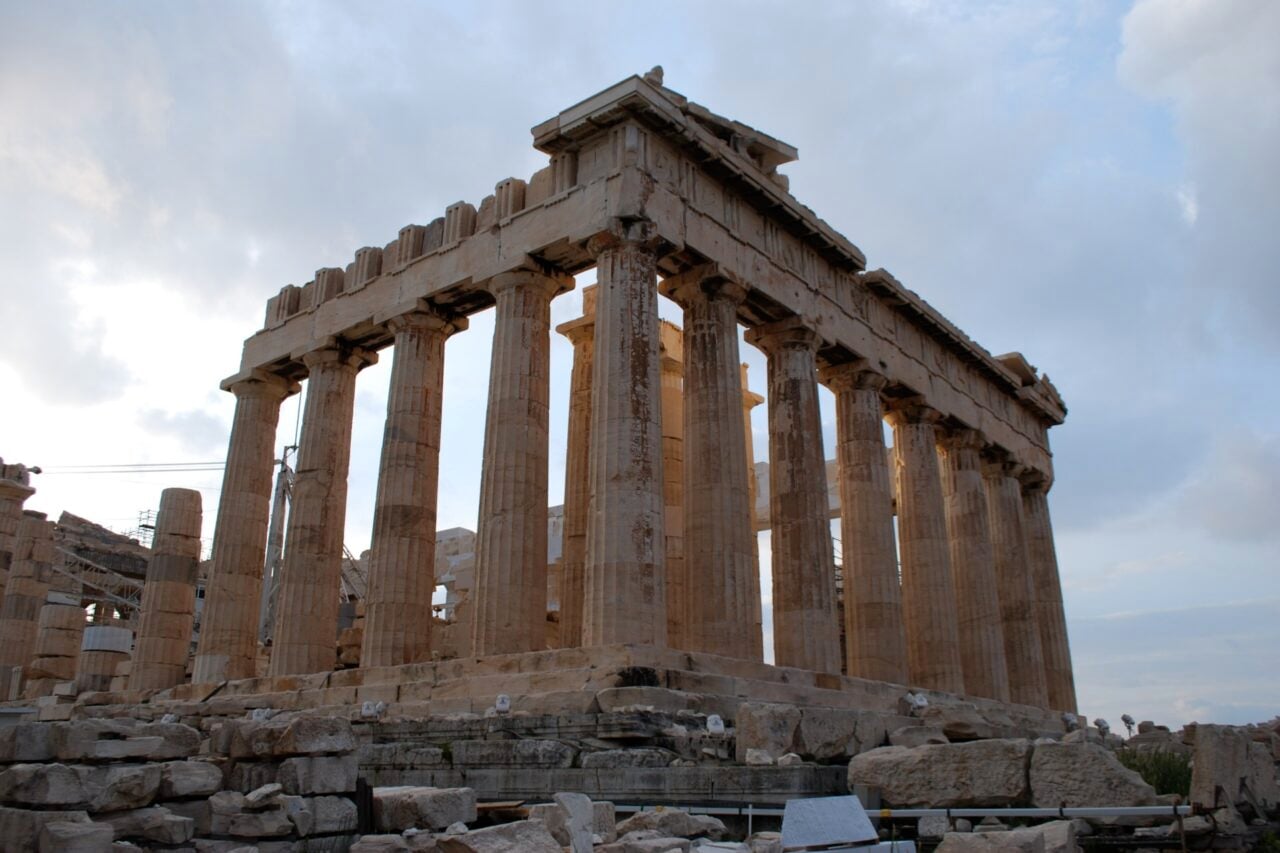
Alain Goriely, a mathematician at Oxford University, questioned the long-held belief that the Parthenon in Greece was built with intentional optical illusions.
For years, many have thought the temple’s architects deliberately curved and spaced elements to trick the eye into perceiving straight lines and regular shapes. Goriely’s research, published in Royal Society Open Science, suggests these refinements are either unsupported by evidence or too small for viewers to notice.
The idea that the Parthenon features these illusions originated around 400 years after the temple’s construction, stemming from writings by the Roman author Vitruvius. Renaissance scholars later revived these claims. Goriely found that the supposed corrections, like a slight upward curve in the base meant to counteract visual sagging, are unlikely to fool the human eye.
He also pointed out that tour guides often direct visitors to vantage points where the illusions appear most prominent, suggesting the effect isn’t naturally visible. Furthermore, Goriely determined that the subtle bulging of the Parthenon’s columns, about 0.7 inches, is too small to create a significant optical effect at typical viewing distances.
He believes the persistence of these myths stems from a romanticized view of ancient Greek civilization and a tendency to attribute modern scientific knowledge to the architects of the past. Despite debunking the illusions, Goriely acknowledges the Greeks’ skill and experience, suggesting they built the Parthenon through empirical knowledge rather than advanced theoretical understanding.