Scythian nomads used cannabis in burial rites 2,800 years ago
Headline and summary by local AI
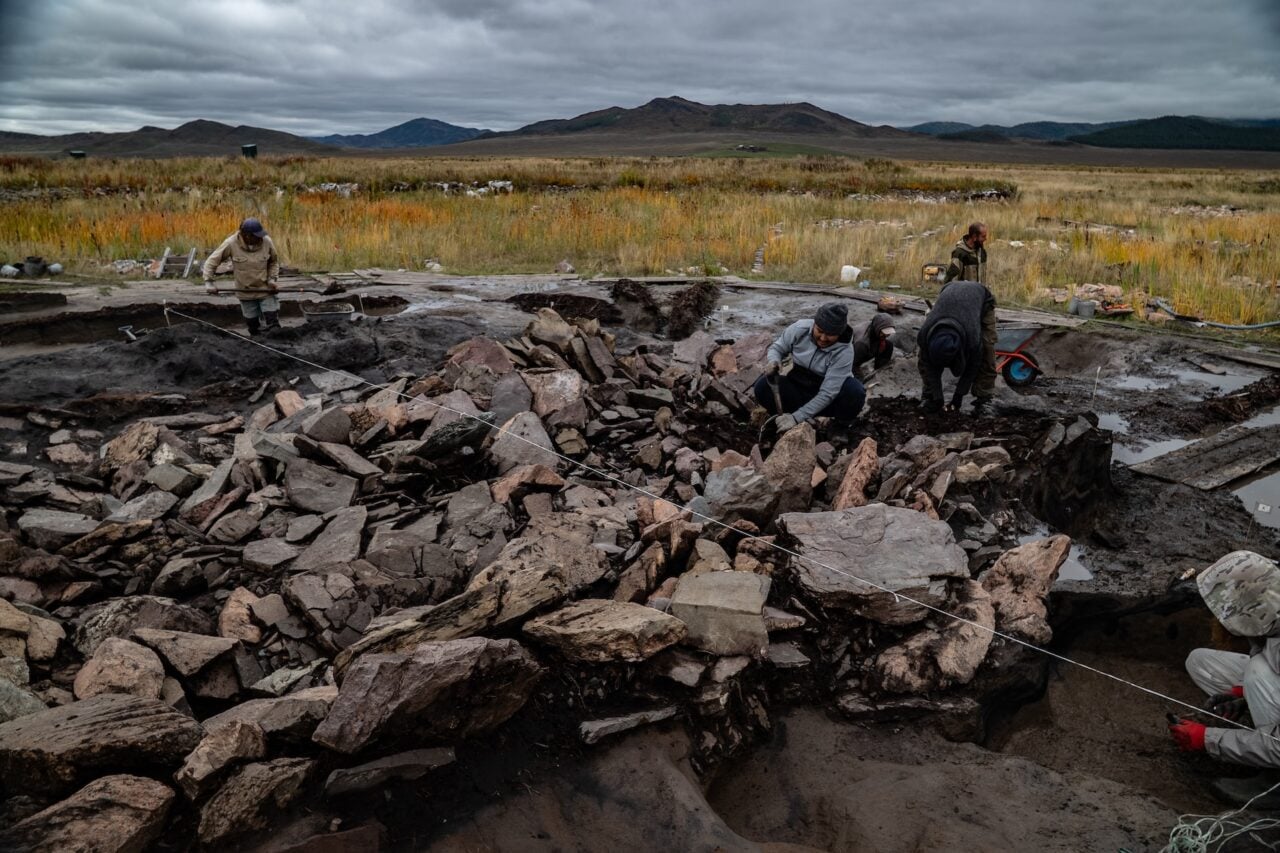
Archaeologists from Germany’s Max Planck Institute of Geoanthropology and the Russian Academy of Sciences’ Institute for the History of Material Culture discovered evidence of ancient cannabis use in a Siberian burial mound.
The team excavated the Tunnug 1 site in Eastern Scythia, a region known as the Siberian Valley of the Kings, to study the funerary practices of ancient equestrian nomads.
The researchers found chemical traces of cannabis in braided hair samples and recovered a large quantity of seeds from the 8th-century BCE site. Using mass spectrometry, the team measured an average cannabinol content of 560 parts per billion in the hair samples. The researchers noted that the plant material found at the site consisted almost entirely of cannabis seeds, suggesting the plant played a specific role in the ceremonial burials.
Radiocarbon dating of seeds from the log coffins of two individuals, labeled skeleton 135 and skeleton 139, placed the site in the first decade of the eighth century BCE. While domesticated cannabis first appeared in East Asia roughly 6,000 years ago, these findings suggest the Scythians may have used the plant for ritual purposes. The discovery may also indicate cultural connections between the Scythians and early horse cultures in Mongolia.
Selected and summarized by local AI How we work
More in Discovery

Mass production transformed Hindu religious art into everyday household objects
indianexpress.com · 5 Nov 2026

Scientists identify giant bird species that lived with hobbit humans in Indonesia
naftemporiki.gr · 12 Nov 2026
Archaeologists find 125,000-year-old poisoned stone tools in Saudi Arabia
livescience.com · 12 Nov 2026