Ancient capybara tooth reveals wetter past for Atacama Desert
Summary and headline written by AI from the source article. How we work
Researchers from the University of Arizona and others discovered a nearly nine-million-year-old fossilized capybara tooth in Chile’s Atacama Desert.
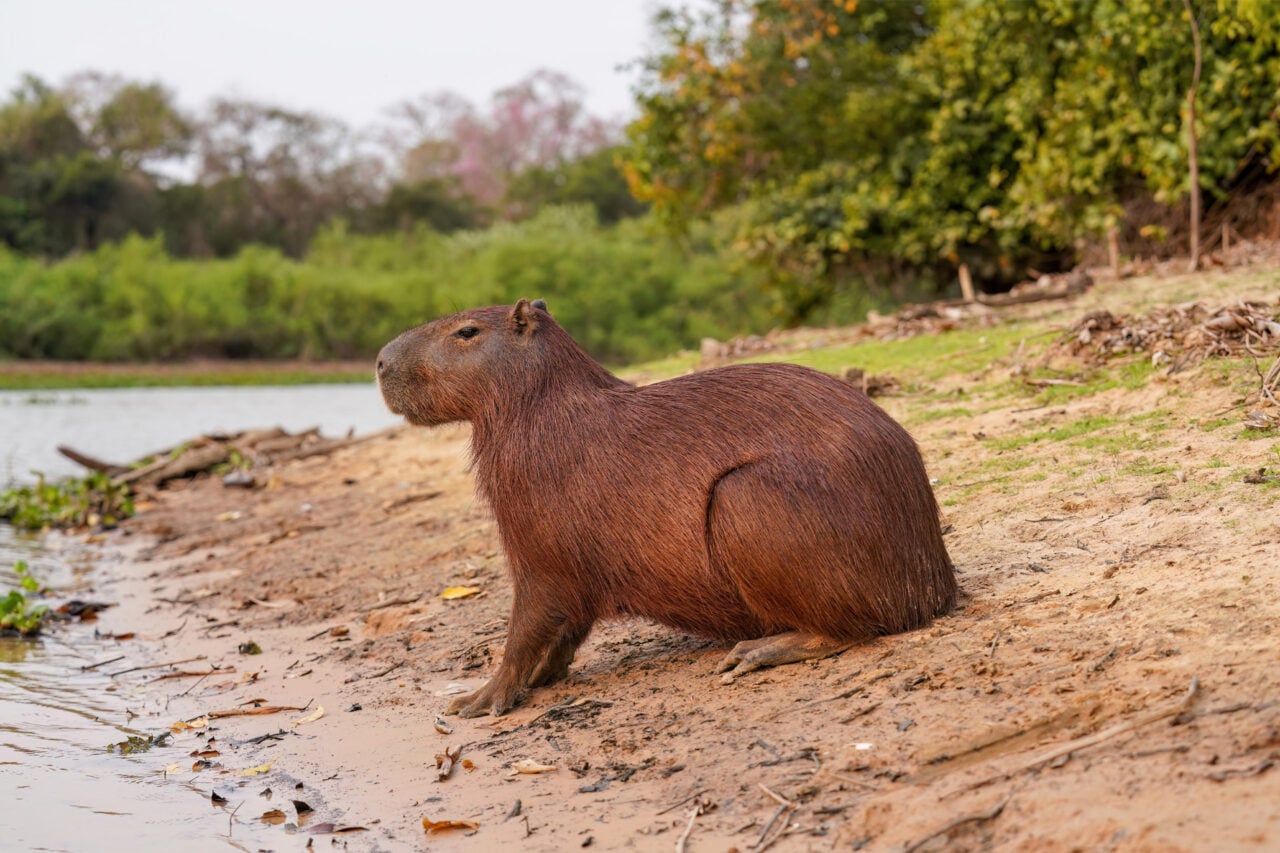
The tooth belonged to Cardiatherium, an extinct ancestor of modern capybaras, and its presence indicates the region was once much wetter than it is today. Capybaras require plentiful water and wetlands to survive, and they are not typically found in Chile, making the discovery unusual.
The fossil was found in marine sediment layers within the Bahía Inglesa Formation, a fossil-rich area of the Atacama. This desert is considered one of the oldest on Earth, thought to have remained arid for at least 40 million years. However, alongside the capybara tooth, the team also identified evidence of palms and other flowering plants that would have thrived in wetter conditions around 8.8 million years ago.
The researchers believe parts of the southern Atacama once supported freshwater ecosystems suitable for ancient capybaras. They propose two possible routes connecting Chile to the rest of South America, though the exact arrangement of these ecosystems remains uncertain. The team hopes further investigation will clarify how the Atacama region lost its wetter environments and provide insights into predicting how deserts will respond to future climate changes.
:quality(85)/3d0163b8-3f97-4763-9750-441b5e832531.png)

