Scientists find bush dogs are rarer than previously estimated
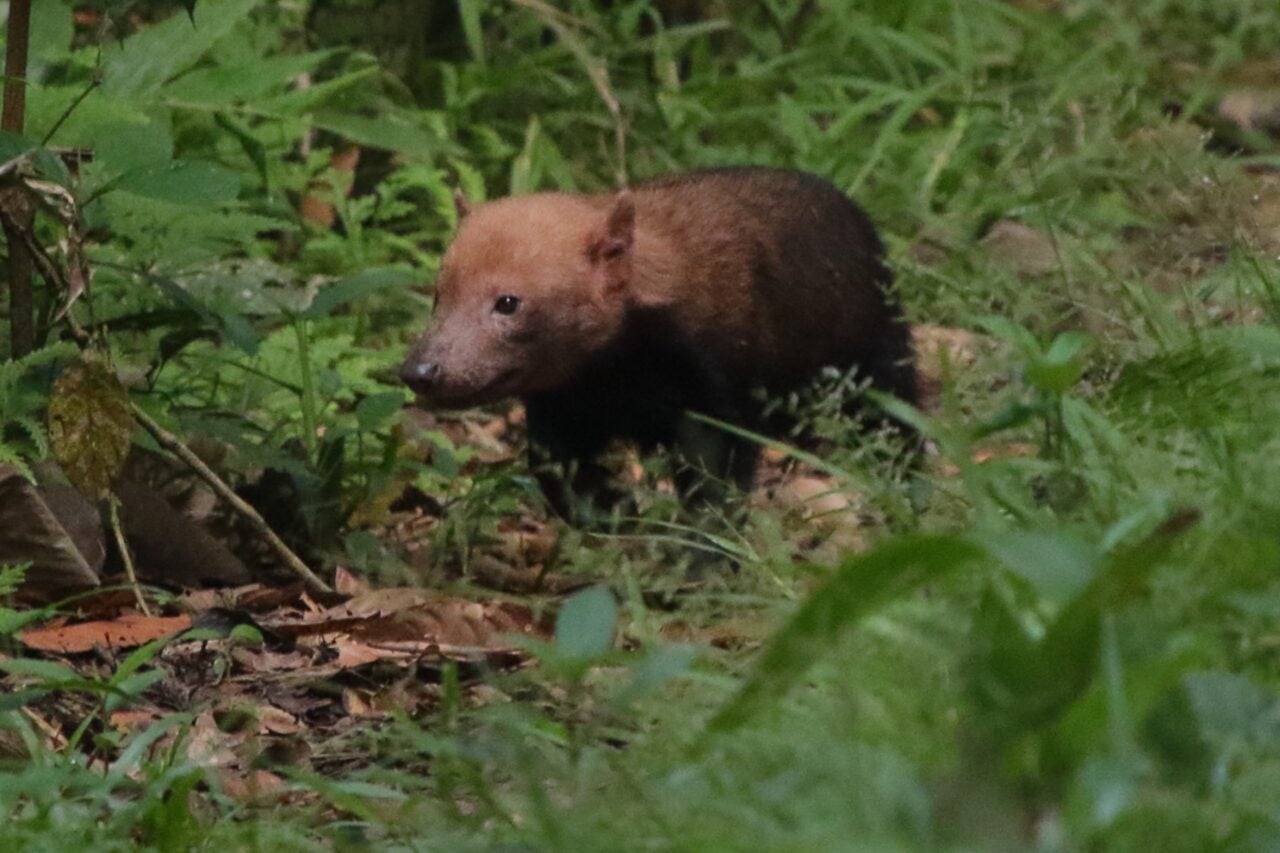
Headline and summary by local AI
Wildlife biologists from the Wildlife Conservation Society (WCS) analyzed 25 years of camera-trap data to determine the population density of the bush dog, a small wild canine in South and Central America.
The researchers examined over 2.1 million photographs taken across 97 sites in seven different countries. They found that the bush dog appeared on only 12 occasions at 12 different sites throughout the entire study period.
The study, published in the journal Canid Biology & Conservation, revealed that bush dogs are significantly less common than other wide-ranging carnivores. Robert Wallace and his team found that the abundance of bush dogs was 50 times lower than the short-eared dog, 100 times lower than the jaguar, and nearly 280 times lower than the ocelot.
The researchers estimate that these animals likely occur at a rate of less than one individual per 39 square miles across much of their territory. The researchers expressed concern that the bush dog's sociable behavior and small pack sizes make the species vulnerable to extinction. Because they travel in close contact and share food, a single disease from a domestic dog could wipe out an entire local group.
The team argues that these findings should lead to a reassessment of the species' conservation status, which has remained as near threatened since 2011.
Selected and summarized by local AI How we work