Divers discover medieval village lost to North Sea
Summary and headline written by AI from the source article. How we work
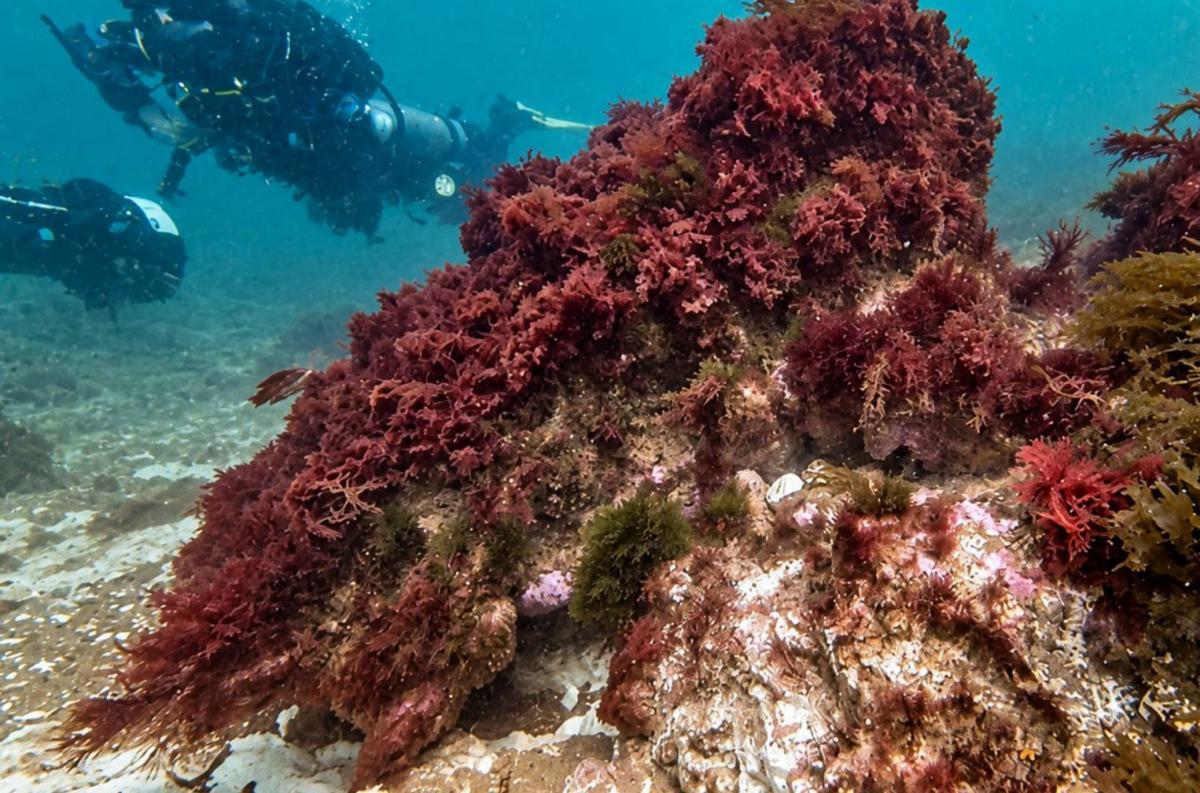
Divers in the United Kingdom are exploring the remains of Shipden, a medieval village in Norfolk that the North Sea submerged in the 14th century.
The team, working near Cromer, has mapped 25 artificial structures on the seabed where the village once stood. Historians believe the coastline shifted over time, causing settlements to be lost to the sea.
Records from 1086 show Shipden was home to 117 people and included three acres of meadow, 36 pigs, a harbor, and two churches. The divers are searching for the church of St. Peter, which was damaged by the sea in 1317 and fully underwater by 1400, leaving only flint stonework visible during low tide.
Local legends claim this stonework is the church tower and that its bells can be heard beneath the waves, but recent findings suggest the church may be located elsewhere. Peter Stubbs, chair of the Cromer Museum Friends, explained the team is examining historical documents and comparing them to the discoveries to understand Shipden’s history. Complicating the search, the wreck of the paddle steamer Victoria collided with an underwater obstruction in 1888 and was blasted apart with explosives.
Experts believe this explosion may have scattered the flint stonework, leading to the mistaken belief that it was part of the church. The team hopes to understand both long-term geological shifts and the history of later settlements as they continue to investigate the changing coastline.