Fossil discovery in Germany reveals early owl evolution
Headline and summary by local AI
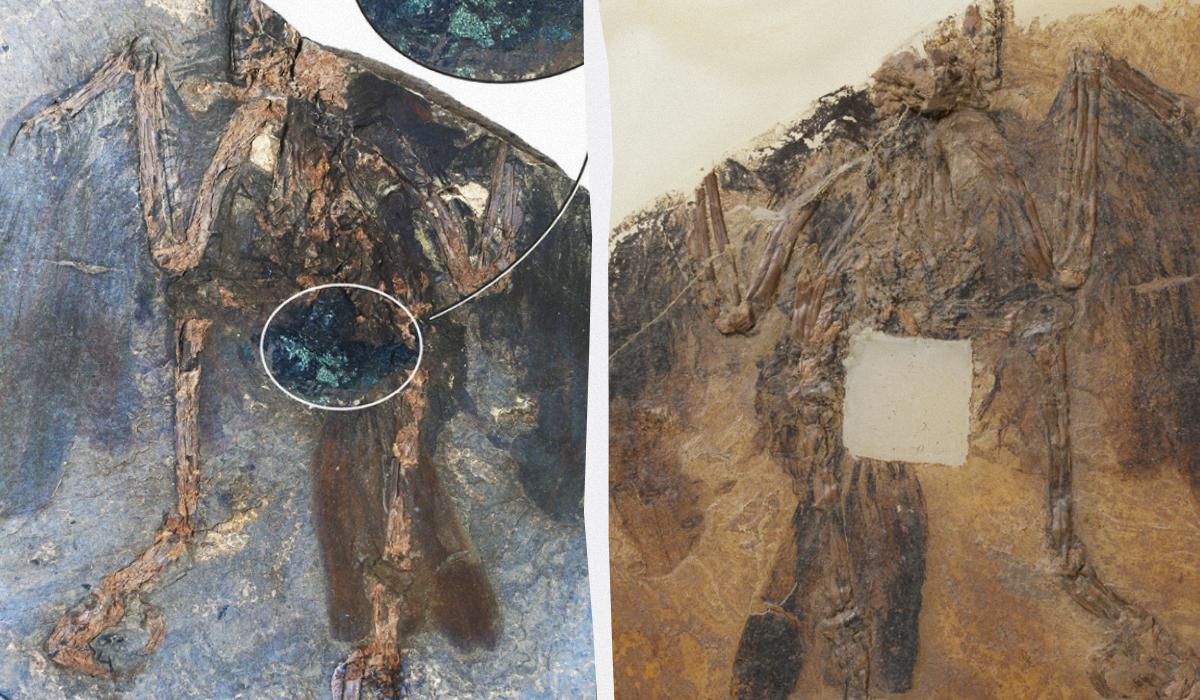
Scientists identified a previously unknown owl species, Masillastrix blattophaga, from fossils dating back 47 million years in Messel, Germany.
Researchers published their findings in the journal Current Biology in November 2026. The discovery is unique because it preserved feathers and the remains of the bird's last meal in addition to its skeletal structure. The researchers believe the find helps clarify when owls transitioned from a diurnal to a nocturnal lifestyle.
While the bird's head is missing, the preserved feathers lack the frayed edges that modern owls use to fly silently. This lack of specialized feathers suggests the bird may have hunted primarily during the day. To support this, the team found remnants of a prehistoric cockroach in the owl's stomach. Because these iridescent insects are typically active during daylight hours, the evidence points toward daytime hunting. The fossils were preserved in a low-oxygen lake bed in Messel, located near Frankfurt.
Scientists compared this 47 million-year-old specimen to another owl fossil from France that is 34 million years old. Because the French specimen likely lived a nocturnal life, the researchers suggest that the major evolutionary adaptations for silent night hunting occurred in the millions of years between the existence of these two birds.
Selected and summarized by local AI How we work
Discovery: Archaeology, new knowledge of art, culture and history, forgotten history uncovered, something lost restored.